Credit Card: A Tool to Build Your Credit History
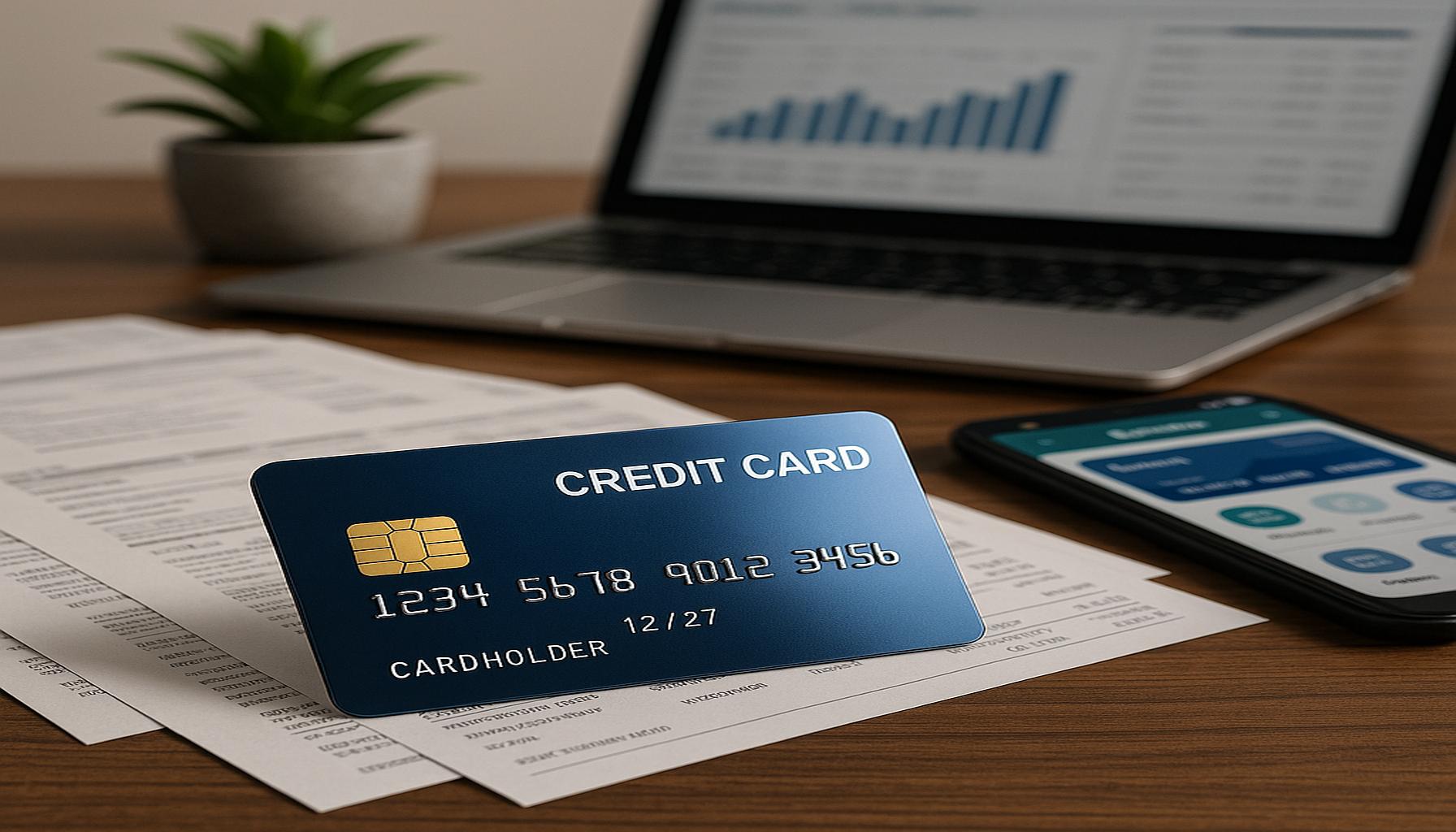
The Importance of Credit Cards in Financial Health
Understanding how a credit card can impact your financial health is crucial for anyone looking to improve their credit score. By using a credit card responsibly, you can build a robust credit history that opens doors to better financial opportunities.
Key Benefits of Using a Credit Card for Credit Building
Utilizing a credit card efficiently offers several advantages that positively influence your credit score. Here are some key benefits:
- Timely Payments: Regularly making payments on time is essential for establishing a positive payment history. Late payments can severely damage your credit score, while a long track record of on-time payments shows lenders that you are reliable. Aim to pay your balance in full each month to avoid interest charges and maintain good standing.
- Credit Utilization: This refers to the ratio of your current credit card balance to your total credit limit. Keeping your utilization below 30% is generally recommended, as lower utilization signals to creditors that you are not overly reliant on credit. For example, if your credit limit is $1,000, try to keep your balance under $300.
- Diverse Credit Mix: A credit card adds variety to your credit profile, demonstrating to lenders that you can handle different types of credit responsibly. A mix of credit types, such as installment loans (like auto or student loans) and revolving credit (like credit cards), can enhance your creditworthiness.
Practical Tips for Effective Credit Card Use
Implementing strategies that enhance your credit profile can turn your credit card into a powerful financial tool. Here are some actionable steps:
- Start with a secured credit card if you’re new to credit. This type of card requires a cash deposit that serves as your credit limit, making it a safer option for building credit.
- Set up automatic payments to ensure you never miss a due date. This not only protects your credit score but can also save you from late fees.
- Monitor your credit report regularly for inaccuracies. You are entitled to one free credit report per year from each of the three major credit bureaus (Equifax, Experian, and TransUnion). Dispute any errors you find, as correcting them can improve your score.
The Long-Term Impact of a Solid Credit Profile
By following these practical tips, you can effectively utilize your credit card to build a strong credit history. A solid credit profile not only increases your borrowing capacity but also improves your chances of securing favorable loan terms in the future, such as lower interest rates and better financing options for significant purchases like a home or car.
In conclusion, a credit card, when used wisely, can be a cornerstone of your financial health and a stepping stone towards a secure financial future.
DIVE DEEPER: Click here to discover more about digital privacy challenges</p
Leveraging Credit Cards to Enhance Your Credit History
Establishing a solid credit history is a cornerstone of financial health in the United States. Your credit history influences many aspects of your financial life, from securing loans with favorable rates to affecting your insurance premiums. Effectively using a credit card is one of the most strategic and impactful ways to build this essential history.
Building Credit Through Responsible Usage
Utilizing a credit card for building your credit requires a strategic approach. Here are some core principles to adhere to:
- Make Consistent Payments: Paying your credit card bill on time is crucial as it accounts for about 35% of your credit score in the FICO scoring model. Set up automated payments through your bank for the minimum amount or total balance to avoid late fees and maintain a good standing. You can also use reminders on your phone or calendar to ensure timely payments. Over time, this consistent behavior demonstrates responsibility to potential lenders.
- Manage Your Credit Utilization: Credit utilization, or the ratio of your credit card balances to your total credit limit, is another major factor in your credit score. Aim to keep your utilization below 30%. For example, if you have a credit limit of $1,500, try to maintain a balance of no more than $450. Consider using your card for regular expenses like groceries or gas and paying it off promptly to stay within this ratio.
- Keep Your Old Accounts Active: The length of your credit history constitutes about 15% of your credit score. Keeping older credit cards open, even if you don’t use them frequently, helps improve this aspect of your score. Use them occasionally for small purchases to keep them active, thus reflecting a longer credit history, which lenders view positively.
Common Pitfalls to Avoid
As beneficial as credit cards can be for your credit history, certain missteps can lead to setbacks. Here are some common pitfalls to be aware of:
- Excessive Charges: Consistently maxing out your credit card can lead to high utilization rates, negatively impacting your credit score. Instead, aim to use only a fraction of your limit and pay it down promptly to demonstrate responsible usage.
- Multiple Credit Applications: Submitting multiple credit card applications within a short timeframe can cause hard inquiries to appear on your credit report, which negatively affects your score. Space out your applications and only apply for a credit card when necessary to minimize the impact on your credit history.
- Ignoring Fees: Be vigilant about annual fees, interest rates, and other costs associated with your credit card. Read the terms of the card thoroughly and choose one that fits your spending habits, ensuring that the benefits outweigh the costs.
By keeping these principles and pitfalls in mind, you can make informed choices that will contribute positively to your credit history. Building a robust credit profile does not happen overnight; it requires time and persistent, responsible actions. Each positive step you take helps lay a solid foundation for your financial future, ultimately leading to more opportunities and better financial stability.
DIVE DEEPER: Click here to learn about the future of banking
Maximizing Your Credit Card’s Impact on Your Credit History
In addition to responsible usage and avoiding common pitfalls, there are more advanced strategies to leverage your credit card effectively and boost your credit history. Implementing these tactics can accelerate your credit-building journey and not only enhance your credit score but also solidify your financial reputation with potential lenders.
Utilize Credit Card Features
Many credit cards come with built-in features that can contribute positively to your credit history. Take advantage of these options:
- Cash Back and Rewards: Choose a card that offers rewards on your regular spending, such as cash back on groceries or gas. This way, you can earn incentives while building your credit history. Just ensure that you pay off the balance monthly to avoid interest charges.
- Introductory Offers: Many cards provide zero interest on purchases for an introductory period. Use this advantage to finance larger purchases while maintaining your payment within your monthly budget. This not only helps keep your credit utilization low but also builds your repayment history without accruing interest.
- Credit Monitoring Services: Opt for cards that provide access to credit score monitoring. This tool allows you to track changes and understand how your credit actions impact your score, enabling you to make informed decisions and adjustments.
Expand Your Credit Portfolio Wisely
As your credit usage matures, consider adding different types of credit to your portfolio. Here’s how:
- Secured Credit Cards: If you are just starting and have limited credit history, a secured credit card can be a stepping stone. It requires a cash deposit that serves as your credit limit. This helps you build credit responsibly with minimal risk, as long as you make timely payments.
- Store Credit Cards: Store cards often have lenient approval processes. If you regularly shop at a specific retailer, consider applying for their credit card. These cards can help improve your credit mix, provided you use them wisely and pay off the balance promptly.
- Credit Builder Loans: Although not a credit card, a credit builder loan can work in tandem with your credit card strategy. These small loans are designed for individuals with no credit or poor credit, and timely payments on these loans can enhance your credit profile alongside your credit card usage.
Regularly Review Your Credit Report
Monitoring your credit report is an essential step in managing your credit history. Follow these practices:
- Annual Credit Report Check: Federal law allows you to obtain one free credit report per year from each of the three major credit bureaus. Take advantage of this to check for errors or discrepancies that could negatively affect your score.
- Dispute Errors Promptly: If you find incorrect information such as late payments that you’ve never made, dispute these errors immediately. Not only does this protect your score, but it also ensures a more accurate representation of your credit history.
- Stay Informed on Credit Trends: Financial education is key. Familiarize yourself with how credit scores work, the factors that influence them, and industry trends. Knowledge empowers you to make better financial decisions regarding your credit cards and overall credit health.
Employing these advanced strategies can significantly enhance your ability to build a robust credit history. By maximizing the benefits of your credit card, diversifying your credit profile, and actively managing your credit report, you position yourself for better financial opportunities in the future.
DIVE DEEPER: Click here to uncover the significance of digital transformation
Conclusion
In today’s financial landscape, mastering the use of a credit card is crucial for establishing a robust credit history. Making timely payments is fundamental; late payments can drastically impact your credit score. Set up automatic payments or reminders to avoid missing due dates. Furthermore, keeping your credit utilization ratio low—ideally below 30%—is another key factor in maintaining a favorable credit score. For example, if your credit limit is $1,000, aim to keep your balance under $300.
Regularly monitoring your credit report allows you to track your progress and ensure there are no errors. Federal law entitles you to one free credit report per year from each of the three major credit bureaus: Equifax, Experian, and TransUnion. Utilize this to check for discrepancies or fraudulent activity and address them promptly.
Utilizing Credit Card Features
Take advantage of credit card features such as cash back rewards, travel points, and introductory offers. For instance, many credit cards offer cash back on groceries or gas purchases, effectively allowing you to earn money while spending. Additionally, a sign-up bonus or 0% APR introductory offer can provide significant savings if used wisely.
Diversifying Your Credit Portfolio
As you gain confidence in managing credit, contemplate expanding your credit types. Incorporating secured credit cards or store cards can diversify your credit mix. This not only helps improve your score but also reflects positively on your credit history.
Consistent Education and Monitoring
Building credit is a journey that requires consistency and education. Familiarize yourself with the elements that impact your score, such as payment history, amounts owed, and length of credit history. Make informed financial decisions that align with your long-term goals. By following these straightforward strategies, you will enhance your creditworthiness and pave the way for better loan opportunities and favorable financial products in the future. Remember, a solid credit history opens doors to financial freedom.

Beatriz Johnson is a seasoned financial analyst and writer with a passion for simplifying the complexities of economics and finance. With over a decade of experience in the industry, she specializes in topics like personal finance, investment strategies, and global economic trends. Through her work on BSB Empregos, Beatriz empowers readers to make informed financial decisions and stay ahead in the ever-changing economic landscape.