The Intersection of Mental Health and Technology: Emerging Therapeutic Solutions
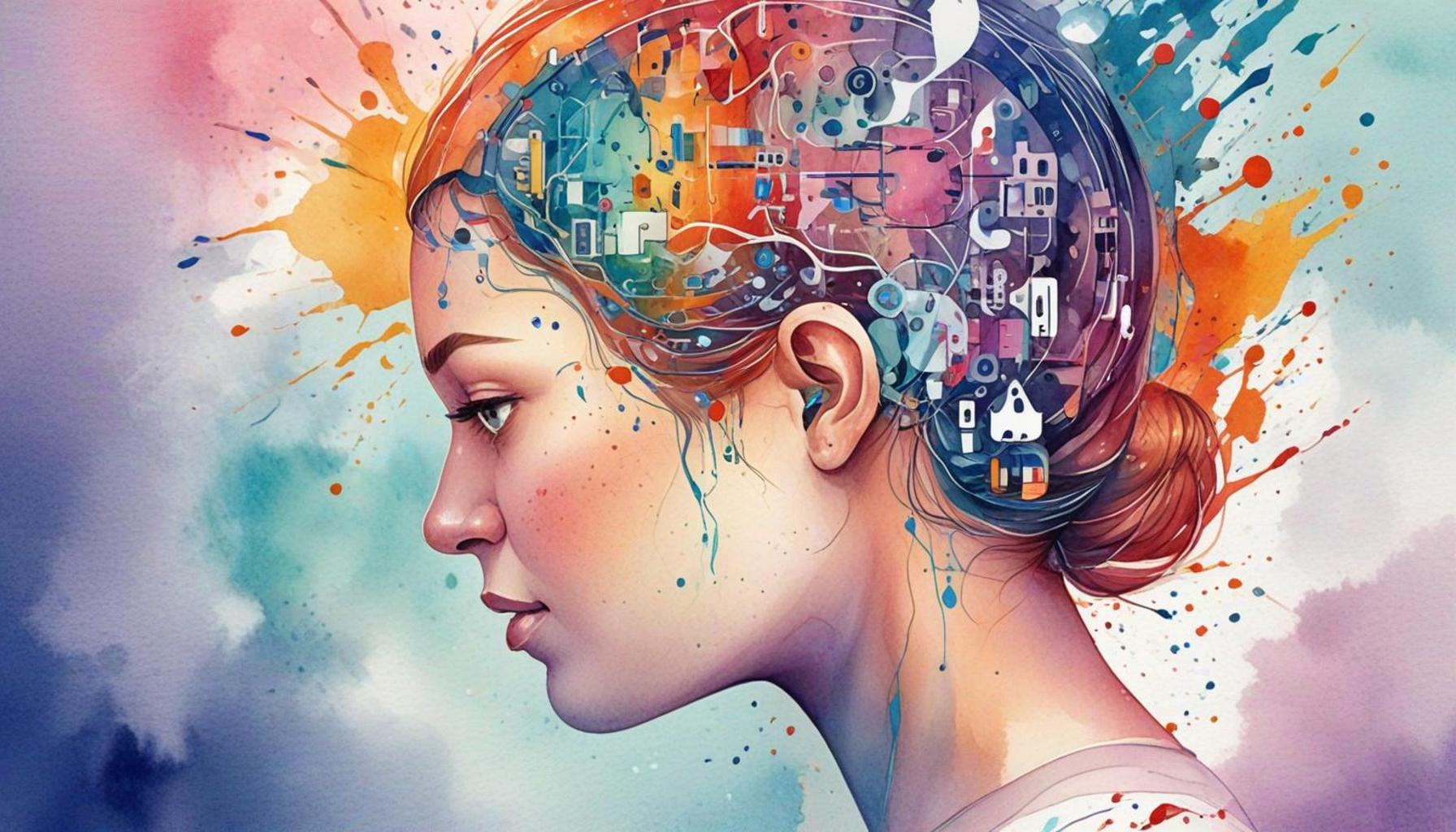
Impact of Technological Advancements on Mental Health Care
The rapid advancement of technology has profoundly influenced various sectors, and mental health care is no exception. As mental health issues continue to rise, particularly in the United States, innovative therapeutic solutions are emerging at the intersection of mental health and technology. These solutions offer new avenues for diagnosis, treatment, and ongoing support, often bridging gaps in traditional mental health services.
- Digital Therapeutics: These are software-based interventions that deliver evidence-based therapeutic approaches directly to users. For instance, programs such as Woebot utilize artificial intelligence to engage users in cognitive-behavioral therapy (CBT) techniques, providing therapeutic conversations that can be accessed anytime, reducing barriers to treatment.
- Teletherapy: Remote counseling services have gained significant popularity due to their convenience and accessibility, especially during the COVID-19 pandemic. Platforms like BetterHelp and Talkspace allow individuals to connect with licensed therapists from the comfort of their homes. This modality increases accessibility for those in rural or underserved areas where mental health professionals may be scarce.
- Mobile Applications: Various apps have been developed to assist users in managing their mental health, from mood tracking to guided meditation. For example, Headspace and Calm provide users with tools to practice mindfulness and reduce stress, making mental health support more engaging and interactive.
Research indicates that the integration of technology into mental health care can lead to improved patient engagement and outcomes. For instance, studies have shown that users of mental health apps report higher rates of symptom relief compared to traditional methods. Moreover, these technological solutions enhance access for underserved populations, addressing critical disparities in mental health treatment.
- Accessibility: Services can be provided to individuals in remote or underserved areas where traditional mental health infrastructure may be lacking, ultimately reducing travel time and associated costs for patients.
- Affordability: Many digital solutions are cost-effective compared to in-person therapy, making mental health care more accessible. Some apps even offer free basic services or have payment models that are less burdensome than traditional therapy sessions.
- Personalization: Technology can tailor interventions based on individual user data and preferences, providing customized experiences that better meet the needs of diverse populations.
As we explore this intersection, it is crucial to evaluate the efficacy and ethical implications of these emerging solutions. There are significant considerations regarding data privacy, as mental health apps often require sensitive information to function effectively. Balancing the benefits of technology with the fundamental aspects of mental health care ensures that these transformations do not compromise patient safety and confidentiality. By navigating these challenges thoughtfully, we can embrace a transformative shift in how individuals receive mental health support, creating a more effective and inclusive system for all.
CHECK OUT: Click here to explore more
Innovative Technologies Reshaping Mental Health Treatment
The landscape of mental health care is undergoing a profound transformation due to innovative technologies which are reshaping the ways in which mental health treatments are delivered. These advancements are particularly crucial in light of the increasing prevalence of mental health disorders, including anxiety and depression, which affect millions of individuals in the United States. By leveraging technology, mental health care providers can enhance the effectiveness and reach of their services, ultimately improving patient outcomes and experiences.
- Virtual Reality (VR) Therapy: VR technology is making waves in the treatment of anxiety disorders, phobias, and post-traumatic stress disorder (PTSD). Programs like Bravemind use VR to create controlled environments where patients can confront and process their fears in a safe space. This exposure therapy allows for desensitization while providing immediate feedback from clinicians, making interventions more impactful.
- Artificial Intelligence (AI): AI-powered tools are capable of analyzing vast amounts of data to identify patterns in patient behavior and predict potential mental health crises. Algorithms can assist mental health professionals in making more accurate diagnoses and tailoring treatment plans. For instance, platforms like Ginger use AI to offer real-time support and connect users with licensed therapists based on their unique mental health needs.
- Wearable Technology: Wearable devices like smartwatches and fitness trackers are not only designed to monitor physical health, but they also hold promise for evaluating mental well-being. By tracking physiological indicators such as heart rate variability and sleep patterns, these devices provide valuable data that can signal changes in mental health, prompting timely interventions.
Indeed, the effective use of these emerging technologies comes with profound implications for mental health care accessibility and personalization. By integrating innovative approaches into clinical practices, mental health professionals can offer tailored experiences that meet the diverse needs of their clients.
- Enhanced Engagement: Technology can facilitate greater patient engagement through reminders, interactive tools, and gamification strategies. These methods can encourage individuals to participate actively in their treatment journey, improving adherence to therapeutic protocols.
- Continual Monitoring: Continuous feedback from technology-driven solutions allows clinicians to monitor progress in real-time. Such capabilities enable timely adjustments to treatment plans, ensuring that interventions remain effective and responsive to the evolving needs of patients.
- Stigma Reduction: The use of digital platforms can also help reduce the stigma often associated with seeking mental health care. By providing a more anonymous way to access support, individuals may feel more comfortable reaching out for help without fear of judgment.
However, the integration of these tools into mental health care also necessitates critical examination of their efficacy and potential risks. As the landscape evolves, ongoing research and clinical validation will be vital in determining the best practices for incorporating technology while ensuring patients’ safety and confidentiality. Balancing innovative approaches with established therapeutic protocols presents a unique challenge that must be navigated thoughtfully to foster positive mental health outcomes.
CHECK OUT: Click here to explore more
Challenges and Considerations in Technology-Driven Mental Health Care
While innovative technologies are undoubtedly transforming mental health treatment, the deployment of these tools is not without challenges. As mental health professionals increasingly integrate technology into their practices, several considerations must be taken into account to ensure the safety and efficacy of these solutions.
- Data Privacy and Security: The collection and storage of sensitive patient information bring forth significant privacy concerns. Mental health data is particularly sensitive; thus, it is imperative for providers to employ robust security measures to safeguard personal information. Compliance with regulations such as the Health Insurance Portability and Accountability Act (HIPAA) is crucial to protect patient confidentiality and avoid data breaches that could severely undermine trust in digital mental health solutions.
- Digital Divide: Despite the proliferation of technology, access to digital mental health resources remains uneven. Disparities in technology access—due to socioeconomic status, geographic location, or digital literacy—may exclude vulnerable populations from reaping the benefits of these advancements. Mental health practitioners need to recognize these barriers and seek to provide alternative resources and support for those lacking access to technology.
- Limitations of Self-Directed Digital Interventions: Although many technology-driven interventions promote self-management of mental health, excessive reliance on self-directed tools can sometimes lead to suboptimal outcomes. Not all individuals will engage with digital platforms equally or possess the capability to self-diagnose effectively. Mental health providers should guide users toward suitable technologies while reinforcing the importance of professional support in conjunction with self-help methods.
Furthermore, the effectiveness of certain technology-based therapies may vary among different populations and contexts. For instance, the efficacy of VR therapy in treating PTSD may depend on factors such as the severity of the disorder or an individual’s ability to engage actively with the immersive environments. Continuous research is necessary to identify which patient demographics will benefit most from each technology, ensuring that therapies are personalized and targeted appropriately.
The Role of Human Connection
Despite the advances in technology, the significance of the human element in mental health treatment cannot be overstated. While AI-based chatbots and telehealth platforms can provide immediate assistance, they are often unable to replicate the empathetic understanding and nuanced emotional support that a trained mental health professional offers. Studies have shown that therapeutic alliances formed between practitioners and patients are critical to successful outcomes.
Maintaining a balance between technology use and human connection is essential. Integrating technology can enhance traditional therapeutic relationships rather than replace them. Clinicians might employ digital tools to streamline administrative tasks, enabling them to focus more on direct patient interaction, ultimately fostering a supportive environment for healing.
Future Directions for Technology in Mental Health
As research progresses, the future of technology in mental health care is poised for further expansion. Multi-modal approaches that combine face-to-face therapy with digital interventions, such as guided online cognitive behavioral therapy, are emerging. These integrative models can harness the benefits of both technology and personal connection, presenting a comprehensive solution for treating mental health conditions.
Moreover, ongoing advancements in AI can lead to increasingly sophisticated predictive models that can identify at-risk individuals before crises occur. Intentional collaboration between mental health professionals, technology developers, and researchers will be critical in translating these innovations into practice, ensuring they effectively address the complex needs of individuals seeking mental health support.
CHECK OUT: Click here to explore more
Conclusion
In conclusion, the intersection of mental health and technology presents a transformative landscape for therapeutic solutions, with significant potential to enhance patient care and accessibility. The integration of digital interventions, such as teletherapy and mobile applications, represents a progressive shift towards more personalized and immediate mental health support. These technologies not only facilitate greater access for those who may have been underserved in traditional therapy settings but also empower individuals by promoting self-management and providing a variety of therapeutic tools.
However, as we embrace these advancements, it is critical to navigate the accompanying challenges, particularly concerning data privacy and security, the digital divide, and the need for human connection. The sensitivity of mental health data necessitates rigorous measures to protect patient information, and efforts must be made to ensure equitable access to technology-driven resources. Additionally, while self-directed tools can be beneficial, they should not replace the essential support provided by qualified mental health professionals.
Moving forward, a balanced approach that combines the advantages of technology with the invaluable human element in therapy is essential for maximizing mental health outcomes. Continued collaboration among practitioners, researchers, and technology developers will be pivotal in refining and personalizing interventions to meet diverse needs. As innovations evolve, they must be guided by a commitment to ethical practice, accessibility, and the overarching goal of improving mental health care for all.

Beatriz Johnson is a seasoned financial analyst and writer with a passion for simplifying the complexities of economics and finance. With over a decade of experience in the industry, she specializes in topics like personal finance, investment strategies, and global economic trends. Through her work on BSB Empregos, Beatriz empowers readers to make informed financial decisions and stay ahead in the ever-changing economic landscape.