

The Future of Electric Vehicles: Market Trends and Infrastructure Development
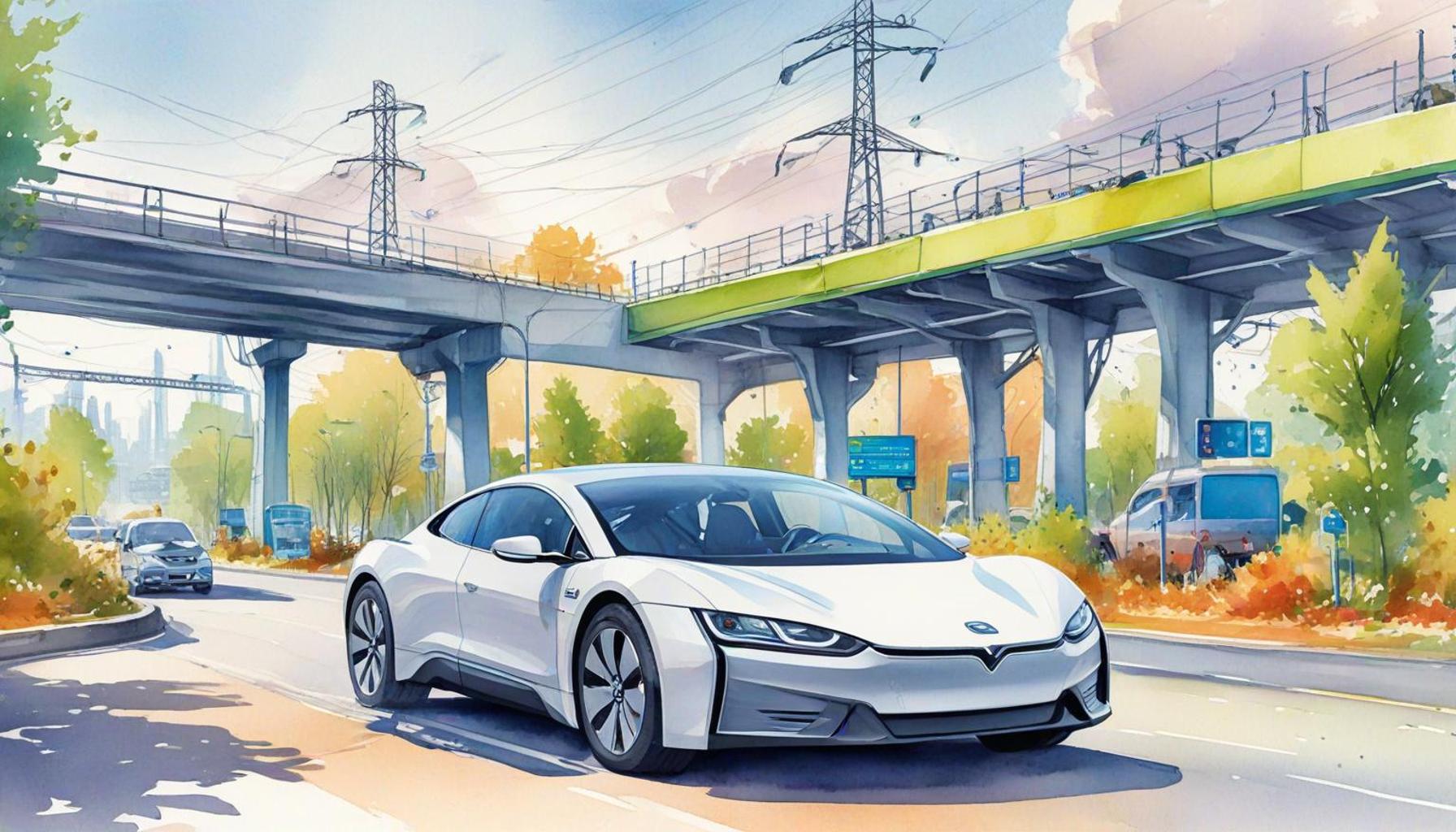
Introduction to the EV Market Transformation
The electric vehicle (EV) market is undergoing a remarkable evolution, driven by numerous factors including advancements in technology, a shift in consumer preferences, and heightened environmental awareness. As sustainability becomes a focal point for global initiatives, major automakers are channeling substantial resources into developing advanced electric models. This substantial investment is not only leading to an increase in the availability and diversity of electric vehicles but also enhancing their overall appeal to a broader segment of the population.
Key Trends Influencing Electric Vehicle Adoption
Several pivotal trends are determining the trajectory of the EV market:
- Increased Adoption: As climate change has risen to the forefront of public discourse, there is a pronounced shift toward sustainable practices, which includes a substantial increase in the purchase of electric vehicles. According to the Electric Drive Transportation Association, U.S. sales of electric vehicles surged over 70% in 2021, emphasizing that consumers are increasingly willing to embrace electric mobility as a viable alternative to traditional gasoline-powered vehicles.
- Government Support: Various federal and state incentives play a crucial role in promoting electric vehicle adoption. Tax credits, rebates, and grants are now widely available across the United States, substantially lowering the overall cost of ownership. For instance, the federal government provides a tax credit of up to $7,500 for qualifying EV purchases, making them more financially attractive for consumers.
- Technological Innovations: Significant advancements in battery technology have led to longer ranges and reduced charging times, making electric vehicles more practical. New lithium-ion batteries allow for ranges exceeding 300 miles on a single charge, which reduces consumer range anxiety. Likewise, fast-charging technologies are evolving, with some networks enabling an 80% charge in as little as 30 minutes.
The Importance of Infrastructure Development
The successful integration of electric vehicles into daily life necessitates comprehensive infrastructure development, which involves several critical elements:
- Charging Networks: The expansion of public and private charging stations is imperative for user confidence. Current projections estimate that at least 500,000 public charging stations will be required by 2030 to meet the growing demand for electric vehicles across the U.S. This expansion will encourage spontaneous EV use, facilitating longer trips and broader acceptance of electric mobility.
- Smart Grid Integration: The energy grid must be upgraded to accommodate increased electrical loads resulting from widespread EV charging. Smart grid technologies can help optimize energy consumption, manage charging times, and reduce stress on the electrical grid, especially during peak periods.
- Partnerships: Collaborative efforts between government entities and private companies are essential for effective infrastructure planning. Strategic partnerships can lead to innovative solutions, such as integrating renewable energy sources with charging stations, ensuring that electric vehicles contribute positively to local energy ecosystems.
As the electric vehicle market continues to evolve, a thorough understanding of these trends and the infrastructure supporting them will be indispensable for consumers and industry stakeholders alike. The successful adoption of electric vehicles, accompanied by a robust infrastructure framework, holds the key to a sustainable transportation future in the United States.
CHECK OUT: Click here to explore more
Examining Market Growth and Consumer Dynamics
The electric vehicle (EV) sector is poised for unprecedented growth, with an estimated market value projected to exceed $800 billion by 2027. This remarkable expansion can be attributed to multiple factors shaping consumer dynamics and behavior when it comes to vehicle purchasing. Understanding these factors is essential for industry stakeholders, as they navigate the future landscape of electric mobility.
Shifts in Consumer Preferences
Consumer preferences have evolved significantly, influenced by technological advancements, environmental concerns, and changing lifestyles. Key factors driving this shift include:
- Environmental Responsibility: Increasing awareness of climate change and its effects has prompted consumers to consider more sustainable transportation options. Many consumers are actively seeking ways to reduce their carbon footprints, and electric vehicles present an attractive solution that aligns with eco-friendly values.
- Cost of Ownership: The total cost of ownership of electric vehicles has become increasingly competitive with internal combustion engine vehicles. Consumers are recognizing the long-term savings associated with reduced fuel costs, lower maintenance expenses, and potential tax benefits. An analysis by the Department of Energy indicates that EV owners can save up to $1,000 per year in fuel and maintenance costs combined.
- Technological Familiarity: As technology continues to advance, consumers are becoming more familiar with smart technologies that integrate seamlessly into electric vehicles. Features such as autopilot, advanced safety systems, and connectivity options enhance the overall driving experience, making EVs more appealing.
The Role of Automakers
Major automakers are rapidly adjusting their strategies to meet the changing demands of consumers and shift toward an electrified future. A few notable developments include:
- Increased Model Offerings: Automakers are diversifying their electric vehicle portfolios by introducing a range of models, from compact cars to SUVs and trucks. Brands like Ford, General Motors, and Volkswagen have committed to launching new electric models, addressing the varying preferences and needs of consumers.
- Commitment to Electrification: Multiple auto manufacturers have announced ambitious plans to phase out gasoline-powered vehicles, pledging to become fully electric within the coming decades. For instance, General Motors aims to eliminate tailpipe emissions from its light-duty vehicles by 2035, reflecting a significant shift towards sustainability.
- Investment in R&D: The automotive industry is significantly investing in research and development to improve battery technology and enhance vehicle performance. By focusing on innovation, automakers are striving to improve aspects such as battery lifespan, charging speed, and driving range, which are critical determinants for consumer adoption.
As these market dynamics continue to unfold, stakeholders in the electric vehicle sector must stay informed and proactive. Understanding consumer preferences and automaker strategies will be paramount in positioning themselves effectively within this accelerating market. The evolution of electric vehicles is not merely a technological transformation but a fundamental shift in how society views mobility and sustainability.
SEE ALSO: Click here to read another article
Infrastructure Development: A Critical Component
The explosive growth of the electric vehicle market is closely tied to the development of comprehensive infrastructure that supports EV adoption. Adequate charging infrastructure is essential not only for consumer convenience but also for the overall health of the electric mobility ecosystem.
Charging Network Expansion
The expansion of charging networks across the United States is perhaps the most pressing concern for potential electric vehicle owners. Without an adequate charging infrastructure, consumers may hesitate to transition from conventional vehicles to electric ones. Key developments in this area include:
- Public Charging Stations: As of 2023, there are over 100,000 public charging stations in the U.S., a figure that is expected to double in the coming years. This growth is largely driven by federal and state initiatives, including the Infrastructure Investment and Jobs Act, which allocates billions for charging station installation, particularly along major highways.
- Fast Charging Technology: Innovations in fast charging technologies are reducing charging times significantly, making it feasible for drivers to recharge their vehicles during routine stops. Companies like Tesla and Electrify America are at the forefront of deploying ultra-fast chargers that can provide up to 250 miles of range in under 30 minutes.
- Workplace and Home Charging: Businesses and homeowners are increasingly installing Level 2 charging stations to facilitate overnight charging, contributing to the seamless integration of electric vehicles into daily life. Incentives provided by utility companies and government programs are encouraging this growth, further solidifying the shift towards electric mobility.
Grid Considerations and Renewable Energy Integration
As more electric vehicles populate the roads, their impact on the electrical grid will become paramount. The interplay between EV charging and energy supply can present both challenges and opportunities. Notable considerations include:
- Grid Demand Management: With an increasing number of EVs, utilities must consider demand management strategies to prevent grid overload. Smart charging technologies can help by allowing vehicles to charge during off-peak hours or when renewable energy sources, such as solar and wind, are most abundant.
- Vehicle-to-Grid (V2G) Technology: The emergence of vehicle-to-grid systems, where EVs can return energy to the grid, presents a promising solution for balancing supply and demand. This technology enables EV owners to earn income while helping to stabilize the grid, showcasing a sustainable interaction between transportation and energy sectors.
- Renewable Energy Alignment: The push for electric vehicles is often aligned with the broader goal of increasing reliance on renewable energy. Charging infrastructure that leverages solar power, for instance, can significantly reduce the carbon footprint of EVs, further appealing to environmentally conscious consumers.
Investments in charging infrastructure and innovations in energy management will be crucial as the electric vehicle market continues to expand. The integration of electrically powered vehicles into existing transport and energy systems requires an observant and adaptive approach, ensuring that these developments proceed in a manner that is both efficient and sustainable.
CHECK OUT: Click here to explore more
Conclusion
The trajectory of electric vehicles (EVs) in the United States underscores a transformative shift toward sustainable transportation, driven by advances in technology and a robust commitment to infrastructure development. As consumer acceptance continues to grow, the expansion of charging networks and the integration of innovative solutions like Vehicle-to-Grid (V2G) systems will be pivotal. These developments not only enhance the user experience but also position EVs as a viable alternative to traditional vehicles, particularly through the availability of fast charging stations and home charging solutions.
Furthermore, the alignment of EV adoption with the increasing reliance on renewable energy adds another layer of significance to this transition, allowing consumers to minimize their carbon footprint. As state and federal initiatives funnel substantial investments into charging infrastructure, the expansion of public charging stations will alleviate range anxiety and facilitate greater penetration of EVs across diverse demographics.
In conclusion, the future of electric vehicles is not solely contingent on the automotive industry but also requires an ecosystem approach that includes energy management strategies and infrastructural advancements. Stakeholders—ranging from private companies, government entities, and consumers—must collaboratively foster an environment conducive to sustainable transportation. This well-coordinated effort will ultimately illuminate the path forward, making electric mobility an integral aspect of America’s transportation landscape.

Beatriz
Beatriz Johnson is a seasoned financial analyst and writer with a passion for simplifying the complexities of economics and finance. With over a decade of experience in the industry, she specializes in topics like personal finance, investment strategies, and global economic trends. Through her work on BSB Empregos, Beatriz empowers readers to make informed financial decisions and stay ahead in the ever-changing economic landscape.


