Information Overload: Mental Health Implications in a 24/7 News Cycle
Understanding Information Overload
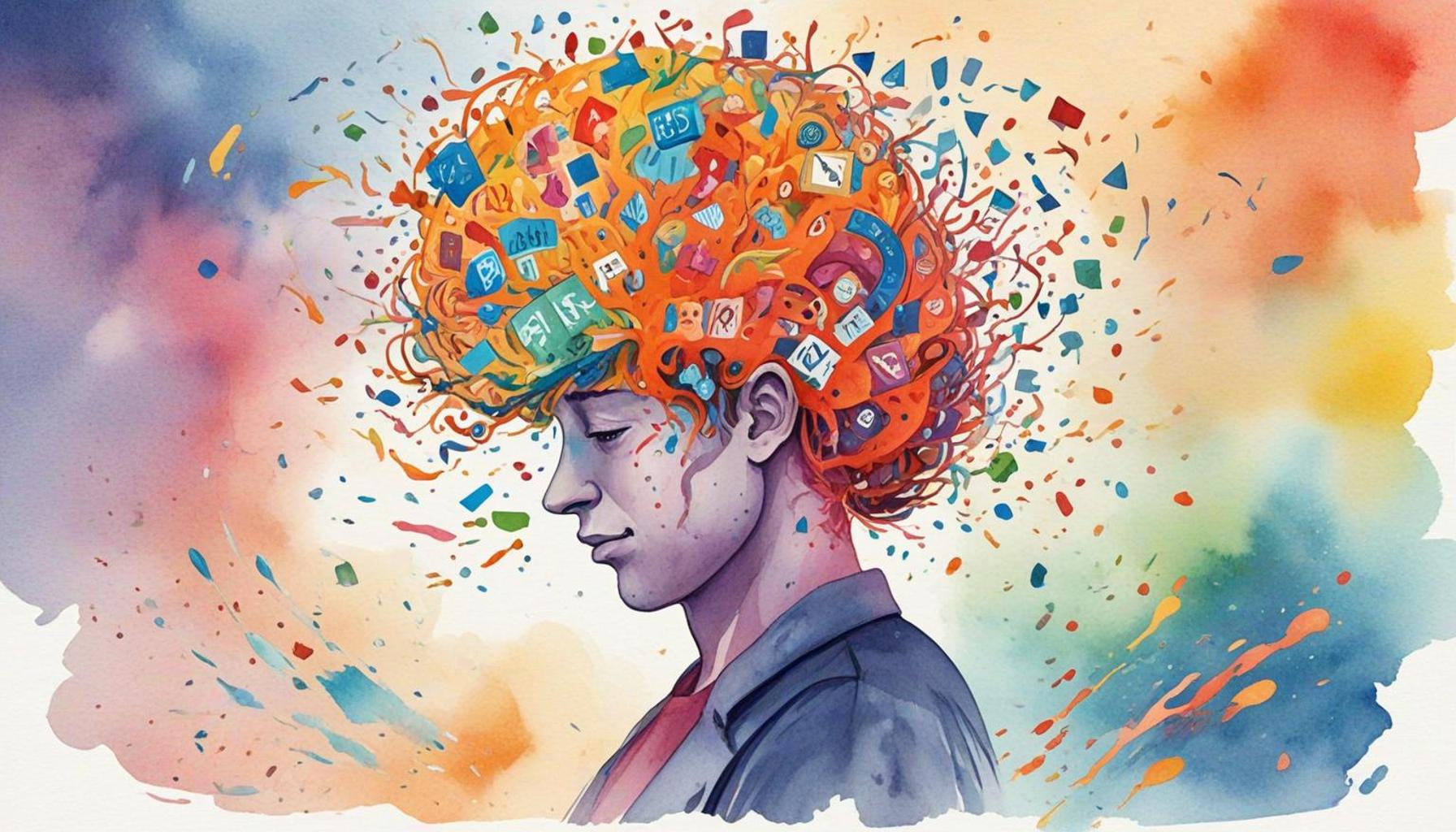
In an era characterized by rapid technological advancements, individuals are frequently bombarded with vast amounts of information from various sources. This deluge often manifests through constant news alerts, social media notifications, and an ever-expanding array of digital content. As a result, the phenomenon of information overload has transitioned from being a mere inconvenience to a pervasive challenge that impacts many aspects of daily life.
The Psychological Impact of Information Overload
The implications of this overload on mental health are significant and multifaceted. One of the primary concerns is increased anxiety. The unceasing exposure to distressing news, particularly during crises or national emergencies, can lead to heightened feelings of unease and apprehension among individuals. For example, consuming continuous updates on global health crises, such as the COVID-19 pandemic, may contribute to an exacerbation of anxiety disorders in susceptible populations.
Another critical factor is desensitization. As individuals become accustomed to alarming news reports and graphic imagery, they may inadvertently develop a numbness toward the suffering of others. This emotional detachment can diminish empathy and reduce proactive engagement in social and humanitarian issues, fostering a culture of indifference.
Decision fatigue is also a notable consequence of information overload. The cognitive strain involved in sifting through immense amounts of information can lead to poorer decision-making. For instance, individuals might struggle to choose healthy food options or determine appropriate responses to social issues due to the overwhelming volume of conflicting data available online.
Research Perspectives
Research substantiates the concerning effects of constant media consumption on mental health. Studies indicate a strong correlation between heightened media exposure and escalating depression rates, particularly among youths who are highly active on social media platforms. As these platforms often display curated perfection, they may inadvertently incite feelings of inadequacy and isolation in users.
Furthermore, sleep disruption is commonly reported among individuals who consume news late into the night. The blue light emitted by screens, coupled with stress-inducing content, can hinder the body’s natural sleep cycles and lead to long-term insomnia or poor rest quality.
Lastly, social isolation is a crucial factor to consider. While digital interactions can facilitate connections, they often replace meaningful face-to-face communication. This shift can dilute the richness of interpersonal relationships, leading to a sense of loneliness and disconnect in an increasingly digital world.
Strategies for Managing Information Overload
Recognizing the signs of information overload is vital for maintaining mental well-being. Individuals are encouraged to implement filtering strategies, such as setting specific times for news consumption and curating content sources to limit exposure to distressing material. Mindfulness practices, such as meditation or focused breathing exercises, may also help mitigate feelings of anxiety generated from information saturation.
As awareness of this phenomenon grows, so does the urgency for effective coping mechanisms. The goal is not to eliminate information consumption altogether but to engage with content purposefully, ensuring that individuals can navigate the complexities of today’s information environment while safeguarding their mental health.
CHECK OUT: Click here to explore more
The Scope of Information Overload
At its core, information overload refers to the state in which an individual is exposed to an excess of information, leading to a decreased ability to process and make decisions based on that information. In the context of a 24/7 news cycle, the amount of available data can be overwhelming, often resulting in confusion and anxiety. The implications are not just academic; they are profoundly personal and emotional, affecting how individuals interact with the world around them.
According to a study conducted by the Pew Research Center, approximately 66% of Americans feel overwhelmed by the volume of news they encounter daily. This statistic resonates particularly within the context of social media platforms, where users receive information in real time, further amplifying the sensation of being inundated. The constant stream of notifications and updates can lead to an impaired ability to process information effectively.
Pathways to Psychological Distress
Information overload manifests in various psychological symptoms, which can significantly impact mental health. Key pathways through which these symptoms develop include:
- Increased Stress Levels: The feeling of needing to stay continuously informed can trigger significant stress, particularly when news content is of a distressing nature. This stress can escalate into chronic anxiety if left unaddressed.
- Difficulty Concentrating: With the brain receiving incessant streams of information, cognitive overload can impair attention span and focus, complicating the ability to engage in deep, thoughtful tasks.
- Impaired Memory: The excessive burden of information can hinder the retention of important facts, leading to frustration and feelings of inadequacy when attempting to recall data.
The implications of these pathways underscore the urgent need for effective coping strategies. Notably, the compounding effects of social media engagement contribute significantly to this phenomenon. Adolescents and young adults, who represent a sizable demographic of social media users, are particularly pronged to these adverse effects, as they navigate an environment where their self-worth is often measured against curated online personas.
Moreover, research indicates that diminished attention spans due to information overload can result in what scholars term cognitive fragmentation. As people toggle between multiple online tasks and sources, they may find it increasingly difficult to focus on singular responsibilities. This fragmentation affects performance in academic and professional settings, further exacerbating anxiety and diminishing overall well-being.
Consequently, the mental health implications of information overload extend beyond individual psychological distress; they contribute to broader societal issues, including decreased productivity, enhanced social isolation, and an inability to engage meaningfully with important current events. Understanding and addressing the multifaceted effects of information overload is crucial for fostering a healthier relationship with media and improving mental health outcomes in the digital age.
SEE ALSO: Click here to read another article
Coping Strategies and Resilience Building
While the prevalence of information overload presents significant challenges to mental health, proactive coping strategies can mitigate its effects. Individuals can take deliberate steps to create healthier media consumption habits that promote mental resilience and emotional well-being.
Mindful Consumption of Information
One effective approach is the practice of mindful consumption. This strategy encourages individuals to be intentional about their media engagement—selecting specific times to check the news, choosing sources that provide balanced viewpoints, and critically evaluating the information being absorbed. Research from the American Psychological Association suggests that mindful engagement with media can help individuals to remain informed without becoming overwhelmed.
Incorporating periods of digital detox into daily routines can also alleviate the adverse impacts of information overload. A study published in the journal Psychological Science indicates that reducing exposure to high-volume news feeds can lead to decreased levels of anxiety and improved mood states. For example, individuals might set aside designated hours each day to disconnect from their devices, allowing for greater engagement with offline activities such as reading, exercising, or connecting with friends and family. These breaks allow the mind to reset and recover from the constant influx of information.
Establishing Boundaries
Establishing personal boundaries in media consumption is paramount. This can take the form of limiting the number of news outlets to follow, curating information from trusted sources, and employing social media features to mute notifications. According to a study by the University of Pennsylvania, reducing social media use correlates with a significant decrease in feelings of loneliness and depression, thereby enhancing overall mental health.
Additionally, individuals may benefit from setting specific time limits on how much time they spend engaging with news each day. By designating particular time slots for catching up on current events, people can maintain awareness of significant happenings without succumbing to excessive engagement that may contribute to distress.
Engaging in Supportive Communities
Engaging with supportive communities can also serve as a buffer against the mental strain of information overload. Participation in discussion groups or community forums—not only online but also in-person—allows individuals to share thoughts and feelings regarding news events in a more collective and less isolating environment. Research indicates that social support systems can significantly mitigate the anxiety associated with overwhelming information by providing individuals with a sense of belonging and shared experience.
Promoting Mental Well-Being Through Education
Finally, education about the psychological impacts of a 24/7 news cycle can empower individuals to cultivate a balanced approach to media consumption. Educational programs highlighting the importance of mental health awareness, critical thinking, and effective coping strategies can significantly contribute to resilience against the negative implications of information overload.
In summary, while the challenges posed by the incessant flow of information are formidable, they are not insurmountable. Through mindful consumption, the establishment of personal boundaries, community engagement, and educational efforts, individuals can foster a healthier relationship with media and safeguard their mental health in an increasingly information-driven world.
SEE ALSO: Click here to read another article
Conclusion
In an era where the endless stream of information permeates every aspect of our lives, information overload emerges as a critical concern, particularly regarding its mental health implications. The pressures associated with a 24/7 news cycle can lead to heightened levels of anxiety, stress, and feelings of overwhelm, complicating the ability of individuals to process information effectively. However, by adopting informed strategies, it is possible to combat these detrimental effects.
First, prioritizing mindful consumption of news enables individuals to stay informed while minimizing exposure to excessive stimuli. Incorporating breaks from digital media can provide crucial mental resets, allowing for the engagement in fulfilling offline activities. Additionally, establishing personalized boundaries regarding the amount of time spent consuming news and the sources of information can significantly enhance one’s mental well-being.
Moreover, fostering connections within supportive communities can create a buffer against feelings of anxiety and isolation brought about by information overload. These communities offer an avenue for individuals to share their experiences and concerns, helping to normalize their feelings and promote collective coping strategies.
Ultimately, enhancing education on the psychological implications of constant media engagement will empower individuals to adopt a balanced approach to information consumption. By prioritizing mental health alongside the need for information, society can cultivate resilience, ensuring that individuals thrive rather than merely survive amidst the noise. As we continue to navigate this complex media landscape, embracing proactive strategies will undoubtedly contribute to healthier mental states and a more informed populace.

Beatriz
Beatriz Johnson is a seasoned financial analyst and writer with a passion for simplifying the complexities of economics and finance. With over a decade of experience in the industry, she specializes in topics like personal finance, investment strategies, and global economic trends. Through her work on BSB Empregos, Beatriz empowers readers to make informed financial decisions and stay ahead in the ever-changing economic landscape.