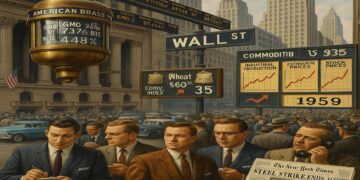
Analysis of the Stock Market and its Financial Repercussions Today
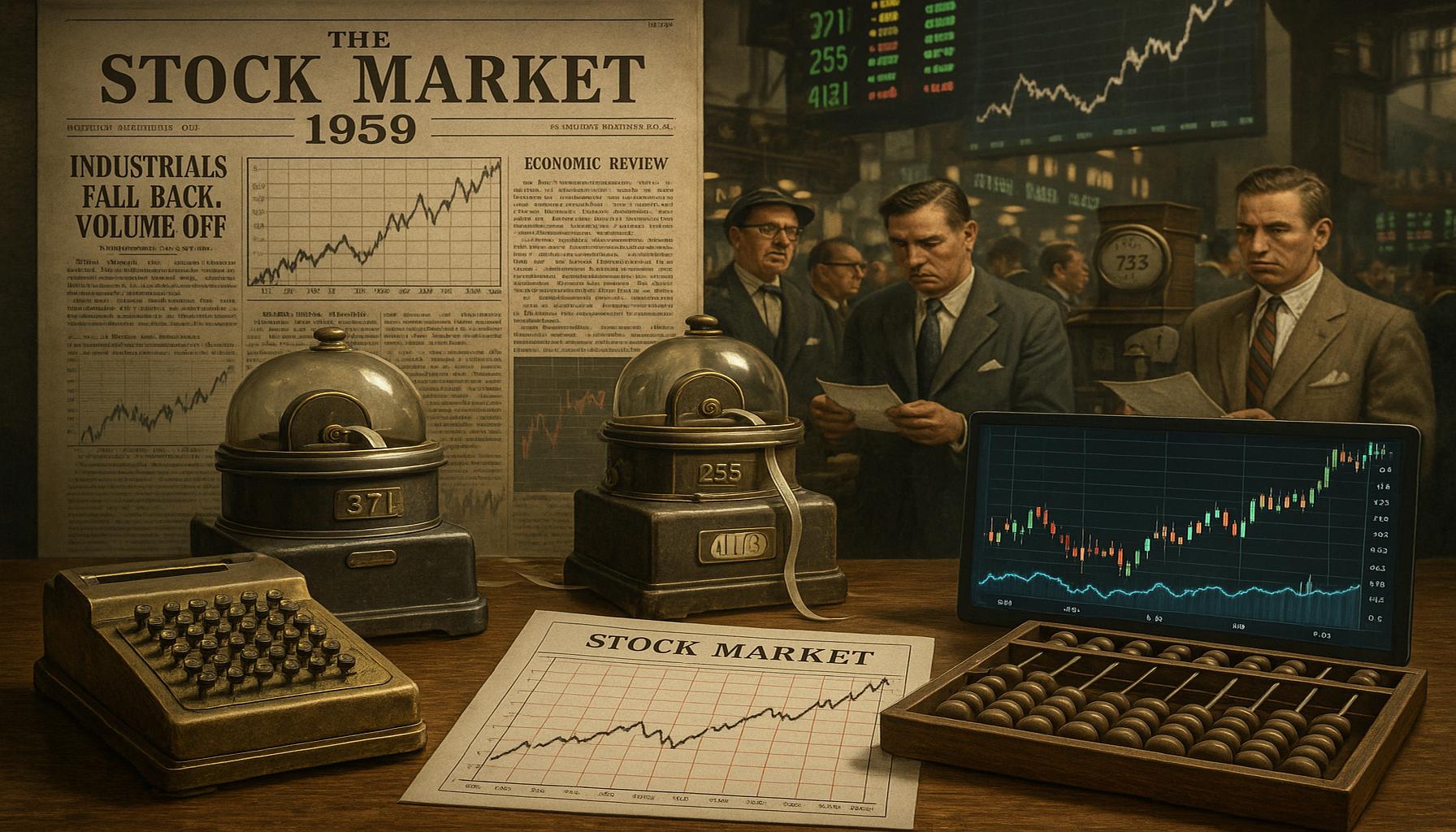
Key Factors Influencing the 1959 Stock Market
In 1959, the stock market was characterized by significant economic indicators and behaviors that shaped investment strategies for years to come. Understanding the components that fueled this dynamic period can provide essential insights for contemporary investors.
- Economic Growth: The United States economy was in a post-World War II growth phase, experiencing a substantial upsurge in consumer spending and industrial production. This period, often referred to as the “Golden Era of Capitalism,” featured increased household incomes, which heightened demand for goods and services. For example, the automotive and housing markets flourished, leading to a substantial rise in stock prices among companies in these sectors.
- Technological Advances: 1959 was a landmark year for technological advancements, particularly with the advent of new machinery and telecommunications. Innovations such as the transistor and the introduction of commercial television networks transformed industries. Companies like IBM and General Electric thrived, showcasing how tech breakthroughs can drive stock performance. Investors were keen to capitalize on emerging technologies, highlighting a continual shift towards a tech-driven economy.
- Market Sentiment: Investor confidence was notably high in 1959. The sense of optimism was reflected in rising trading volumes and escalating stock valuations. This bullish sentiment was largely fueled by positive economic indicators and corporate earnings reports surpassing expectations, encouraging both individual and institutional investors to engage more aggressively in the market.
Lessons for Today’s Investors
The economic environment of 1959 provides several lessons relevant to today’s stock market strategies. Recognizing these historical echoes assists investors in making informed decisions.
- Long-term Trends: Analyzing historical performance can uncover patterns that persist over time. For example, during periods of economic growth, stocks tend to perform well. Investors should look for indicators of economic stability and growth when considering long-term investments.
- Investment Strategies: Learning from the past, investors can adopt strategies that align with historical trends of investor behavior. For instance, diversification remained crucial during market rallies in 1959. Today’s investors can similarly benefit from diversifying across sectors and asset classes to mitigate risk.
- Market Volatility: The fluctuating nature of stock prices is a constant. Understanding the historical context of market volatility can aid investors in setting realistic expectations and creating contingency plans. Observing past downturns can prepare investors to ride out periods of uncertainty.
Conclusion
By analyzing the financial landscape of 1959 and its underlying factors, investors can better navigate today’s market challenges. The past provides valuable insights that can enhance current investment strategies, helping individuals make informed, strategic decisions applicable in a rapidly changing financial environment.
DISCOVER MORE: Click here to learn more about gamification
Key Drivers of Stock Market Performance in 1959
The stock market in 1959 was shaped by several key drivers that ultimately defined its trajectory and subsequent repercussions on today’s financial landscape. By examining the factors that influenced market behavior, investors can glean vital insights that assist in modern financial decision-making.
- Consumer Confidence: Made evident through an increase in retail sales, consumer confidence soared in 1959. The widespread availability of credit and an accompanying rise in disposable income encouraged consumers to make significant purchases, further stimulating economic growth. This strong consumer sentiment directly impacted stock prices, as companies benefitting from increased demand, such as those in retail and manufacturing, saw their stock valuations climb.
- Regulatory Environment: The regulatory backdrop of the late 1950s played a critical role in market dynamics. With the establishment of the Securities and Exchange Commission (SEC) aimed at promoting fair trading practices, there was a heightened sense of security among investors. This trust in regulation fostered increased participation in the stock markets. Understanding the effect of such regulations can inform how today’s investors engage with current market conditions and regulatory changes.
- Global Economic Trends: The global economic landscape also factors into the 1959 stock market. Despite being primarily domestically focused, U.S. companies were starting to expand their operations abroad. This international growth was paired with a weakening dollar, which made American exports more competitive. As a result, companies that capitalized on global markets, such as international consumer goods firms, saw their stocks reflect this expansion. Investors today should remain aware of the global context, as it can dramatically influence domestic market trends.
Ways These Drivers Impact Today’s Market
The elements that drove the 1959 stock market provide valuable lessons for current investors navigating today’s complex environment. Here are actionable steps to integrate these lessons:
- Assess Consumer Sentiment: Keep a close eye on consumer confidence indexes and retail sales data. High consumer confidence typically signals potential growth in sectors reliant on consumer spending, which could present investment opportunities.
- Stay Informed on Regulations: Regularly review updates from the SEC and other regulatory bodies that oversee the securities market. Understanding the latest regulations can help investors identify potential risks or opportunities within the market.
- Consider Global Market Movements: Track international trends and currency fluctuations, as these can significantly impact U.S. companies. Engaging with global market analysis will enable investors to make informed decisions based on broader economic shifts.
By analyzing these drivers and their relevance to today’s market, investors can establish a well-rounded, informed investment strategy. Understanding historical context empowers stakeholders to better anticipate market trends and adjust their portfolios accordingly.
DIVE DEEPER: Click here to unlock your credit card journey
Lessons from the 1959 Market for Modern Investors
While the specifics of the stock market landscape have evolved since 1959, certain foundational principles remain applicable to today’s market environment. By analyzing these enduring lessons, investors can adopt strategies that enhance market engagement and investment outcomes.
- Diversification is Essential: In 1959, investors who concentrated their assets in booming sectors, such as consumer goods and manufacturing, often yielded high returns. However, this strategy also posed significant risks if those sectors faltered. Today, it is crucial for investors to diversify portfolios across multiple sectors and asset classes. A well-diversified portfolio can mitigate risks associated with sector-specific downturns. Consider allocating funds to different industries, including technology, healthcare, and utilities, to achieve a robust investment strategy.
- Market Timing vs. Long-Term Investment: The stock market in 1959 was characterized by significant fluctuations. Investors who attempted to time the market often found themselves at a disadvantage compared to those who maintained a long-term perspective. Today, financial advisors commonly recommend a buy-and-hold strategy to navigate market volatility. By committing to quality stocks and holding for the long term, investors are likely to benefit from compound growth over time. Identify strong companies with solid fundamentals and consider them as core holdings in your portfolio.
- Understanding Market Psychology: The emotional aspects of investing were evident in 1959 as market enthusiasm led to inflated prices for certain stocks. Awareness of market psychology, including the influence of investor sentiment and fear-based selling, is crucial today. Monitor sentiment indicators and stay level-headed during market swings. Utilizing stop-loss orders can also help manage risk during volatile periods, protecting investments from steep declines while allowing for controlled losses.
- Investment Research and Information Access: Unlike the pre-digital age of 1959, today’s investors have unprecedented access to information and research tools. Leverage financial news platforms, stock analysis tools, and social investor networks to gain insights into market trends and stock performance. Conducting thorough research before making investment decisions will enhance the likelihood of successful outcomes. Tools like financial ratios, quarterly earnings reports, and analyst forecasts can provide a clearer picture of potential investments.
- Impact of Interest Rates: Interest rates remained a pivotal factor in the economics of 1959. With the Federal Reserve’s policies affecting borrowing costs and consumer spending, today’s investors must remain alert to interest rate movements and their influences on market behavior. Monitor Federal Reserve announcements and adjust investment strategies accordingly. For example, rising interest rates may negatively impact growth stocks, while value stocks may exhibit resilience in such conditions.
By focusing on these enduring principles derived from the 1959 stock market, investors can enhance their ability to navigate the uncertainties of today’s financial environment. Adopting a proactive approach in applying these lessons will not only inform tactical decisions but also contribute to long-term investment success.
DIVE DEEPER: Click here to discover the future of technology
Conclusion
In summary, the stock market of 1959 serves as an important historical case study, highlighting both opportunities and pitfalls that resonate with today’s investors. As we analyze the financial landscape then and its repercussions now, key takeaways emerge that are crucial for contemporary investment strategies.
First, diversification remains a critical safeguard against market volatility, underscoring the need for a balanced investment portfolio. With the current economy continuously subject to rapid changes, having assets spread across various sectors can help mitigate risks. Second, embracing a long-term investment approach is vital; avoiding the temptation to time the market can yield greater returns over time through the power of compound growth. Third, comprehension of market psychology is necessary to prevent emotional decision-making during periods of instability. By maintaining a rational mindset and employing protective measures like stop-loss orders, investors can navigate market fluctuations more effectively.
Furthermore, taking advantage of today’s abundant research tools ensures informed investment decisions. The access to real-time data and analytics demands that modern investors stay proactive and well-informed. Lastly, remaining observant of the impact of interest rates can guide strategic adjustments to investment portfolios, as these rates influence market trends significantly.
By integrating these lessons into daily investing practices, individuals can enhance their resilience against market downturns and foster more robust financial growth. The key lies in applying the financial insights from 1959 to cultivate a disciplined, informed, and diversified approach to investing in today’s complex market landscape.

Beatriz Johnson is a seasoned financial analyst and writer with a passion for simplifying the complexities of economics and finance. With over a decade of experience in the industry, she specializes in topics like personal finance, investment strategies, and global economic trends. Through her work on BSB Empregos, Beatriz empowers readers to make informed financial decisions and stay ahead in the ever-changing economic landscape.