Future Trends of Credit Cards and Their Impact on Finance
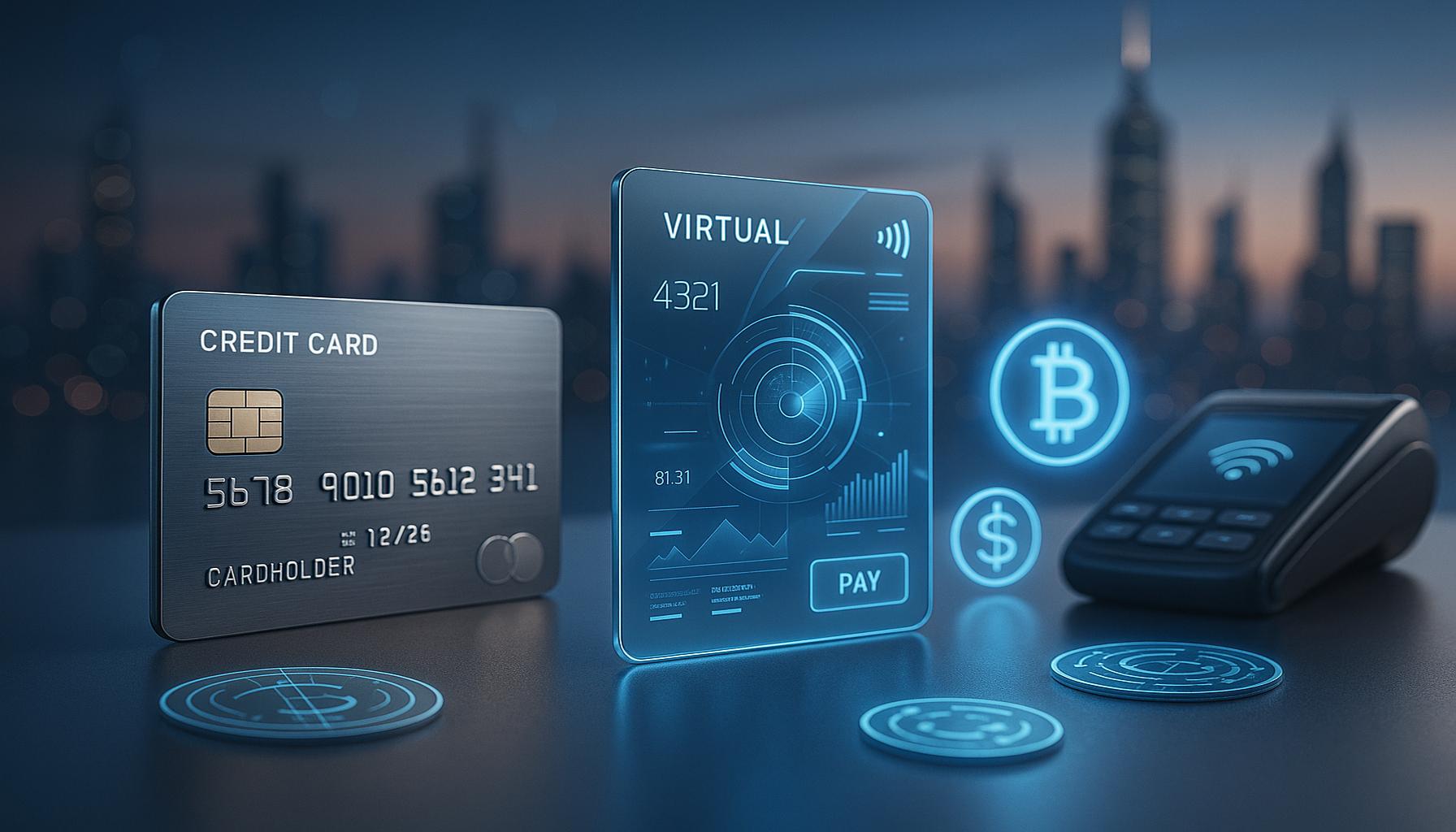
Understanding Future Credit Card Trends
As we move into an increasingly digital economy, keeping pace with the evolving landscape of credit cards is essential for consumers. The following trends are shaping how credit cards work and how users interact with their financial tools. Here’s what to focus on:
Digital Wallet Integration
The integration of credit cards with digital wallets represents a significant shift in how transactions are processed. Digital wallets, such as Apple Pay, Google Pay, and Samsung Pay, allow users to store their card information securely and make payments with a simple tap on their smartphones. This integration not only enhances convenience but also improves security by using tokenization, reducing the risk of fraud. To optimize this trend, consider linking your credit card to a digital wallet to streamline your shopping experience, especially while engaging in online or in-app purchases.
Contactless Payments
Contactless payment methods are witnessing a surge in popularity due to their speed and enhanced safety measures. With contactless credit cards, you simply tap your card on a reader instead of inserting or swiping it. This will minimize contact, making it a preferred method in situations such as grocery shopping or dining out. Many merchants across the United States, ranging from major retailers to local cafes, are now equipped with the technology to accept these transactions. To adapt to this trend, check if your current credit card is contactless-enabled and start using it whenever possible.
Personalization
Credit card issuers are increasingly utilizing advanced analytics to create personalized experiences for their customers. This might involve tailored rewards programs or promotional offers based on individual spending habits. For instance, if you frequently dine out, you may receive enhanced cashback offers on restaurant purchases. To take advantage of personalization, review your spending patterns and choose a card that aligns with your lifestyle and expenses, allowing you to maximize rewards and benefits.
Improved Risk Management
As online shopping continues to expand, so does the need for improved risk management strategies in fraud detection. Many credit card companies are employing artificial intelligence (AI) tools to monitor transaction behavior and identify suspicious activities in real-time. This can help prevent unauthorized transactions before they occur. To ensure you are protected, regularly monitor your account statements for discrepancies and report any unusual activity immediately.
Rewards Evolution
The landscape of loyalty rewards is changing quickly. Credit card rewards programs are becoming more dynamic, adapting to consumer preferences almost instantaneously. For example, during the holiday season, you may find enhanced bonuses for shopping at specific retailers. Stay vigilant by periodically checking your credit card issuer’s website for any updates on rewards or bonus opportunities that could benefit your spending patterns.
Interest Rates and Economic Conditions
Due to fluctuations in the economy, interest rates for credit cards can vary significantly. These changes can be influenced by factors such as Federal Reserve policies and overall economic health. Be prepared to react; if interest rates rise, consider paying more than the minimum payment to reduce interest costs over time. It’s advisable to stay informed on economic trends that may impact your borrowing costs. Compare offers from different issuers, especially if you’re considering a new credit card, to find competitive rates.
By being aware of and adapting to these trends, consumers can effectively optimize their credit card usage and maintain control over their financial health. This proactive approach will empower you to navigate the evolving credit landscape successfully.
DISCOVER MORE: Click here to learn about immigration policies and labor market trends
Transformations in Credit Card Usage
The future of credit cards is not just about how you make payments; it’s also about the broader implications these changes have on personal finance. As new trends emerge, understanding their impacts will enable consumers to optimize their financial strategies effectively. Here are key transformations that consumers should be aware of:
Enhanced Security Features
As data breaches and fraud become more common, credit card companies are stepping up their security measures. Enhanced features such as biometric authentication, which includes fingerprint and facial recognition technology, are gaining traction. These features provide an additional layer of security, making it harder for unauthorized users to access accounts. To protect yourself, enable these features on your credit card where possible and always choose unique, strong passwords for your online accounts.
Blockchain Technology
Blockchain technology is making waves in the financial sector, influencing how credit card transactions might be processed in the future. By using decentralized ledgers, the transaction process can become quicker, cheaper, and more secure. This technology has the potential to reduce fraud significantly and even diminish transaction fees for businesses. Keep an eye on emerging products that utilize blockchain, as they may offer more cost-effective solutions for consumers down the line.
Zero-Fee Cards and Flexible Payment Plans
A rising trend in the credit card industry is the introduction of zero-fee cards, which come without annual fees or transaction costs. In addition, more credit cards are offering flexible payment plans that allow consumers to pay off their purchases in installments without incurring additional interest. To take advantage of this trend, compare credit cards carefully before applying. Look for those that align with your spending habits and offer the most favorable terms.
Environmental Sustainability
With an increasing focus on environmental issues, credit card companies are beginning to embrace sustainability. Many are introducing cards made from recycled materials or offering rewards for eco-friendly purchases. This aligns with consumer preferences for environmentally responsible practices. If sustainability is important to you, research card options that focus on environmental initiatives and consider those that allow you to earn points for green purchases.
Steps to Adapt in the Changing Landscape
- Stay Informed: Follow financial news and trends in credit cards to keep your knowledge updated.
- Evaluate Options: Regularly assess your credit card options to ensure you are leveraging the best benefits available.
- Utilize Tools: Use budgeting and monitoring apps to keep track of your spending and credit card usage.
- Communication: Connect with your card issuer for any updates regarding features, rewards, and security measures.
By understanding and embracing these trends, consumers can navigate the shifting credit card landscape more effectively. Adapting to these changes not only maximizes potential rewards and savings but also fosters better financial management in an increasingly digital world.
DIVE DEEPER: Click here to learn more about the future of e-commerce</p
Personalization and Reward Optimization
As data analytics evolve, credit card issuers are increasingly leveraging consumer data to offer personalized rewards and benefits tailored to individual spending patterns. For example, if you frequently dine out, your credit card might provide higher cash back or points for restaurant purchases. To make the most of this trend, assess your typical spending behavior and look for credit card options that align with those habits. This level of customization can significantly enhance the value and utility you derive from your credit card.
Dynamic Interest Rates
The concept of dynamic interest rates is starting to gain traction, where interest rates on credit cards can fluctuate based on market conditions or even your payment history. This might mean lower rates for responsible users who pay on time or have high credit scores. To ensure you benefit from these changing rates, maintain a good credit score by paying your bills promptly and keeping your credit utilization low. Monitor your transactions regularly to identify any changes in your interest rates.
Integration with Digital Wallets
With the growing popularity of digital wallets, integration between traditional credit cards and these platforms is becoming more pronounced. This integration allows for quicker, contactless payments and often comes with additional security layers. Check if your credit card issuer supports seamless integration with popular digital wallets like Apple Pay or Google Pay. This can not only speed up your transactions but also offer rewards exclusive to mobile payments.
AI-Driven Financial Management Tools
Artificial intelligence (AI) is revolutionizing personal finance management by providing tools that analyze your spending and suggest adjustments for better financial health. Credit cards equipped with AI will alert users to unusual spending behaviors, provide budgeting advice, and even suggest payment strategies based on your spending habits. To take full advantage of these technologies, utilize any provided financial planning tools and engage with your bank’s AI features to enhance your budgeting and financial tracking.
Strategies for Leveraging New Trends
- Utilize Rewards Programs: Frequently check your credit card issuer’s rewards program. Some banks offer rotating categories that change every quarter, providing opportunities to earn more rewards.
- Engage with Credit Card Apps: Use mobile applications provided by your card issuer to optimize your rewards and track spending; many apps now include budgeting tools.
- Review Statements Regularly: Regularly reviewing your credit card statements can highlight both spending patterns and any unauthorized transactions, allowing you to take quick action if necessary.
- Switch Based on Value: If your current credit card isn’t providing sufficient rewards or benefits, don’t hesitate to switch to more favorable options that align with your financial goals.
Tracking these trends and understanding their implications allows you to refine your financial strategy effectively. By harnessing the evolving landscape of credit cards, consumers can work towards achieving their financial objectives with greater efficiency and confidence.
DISCOVER MORE: Click here for vital cybersecurity strategies
Conclusion
The future of credit cards is poised for significant transformation, reflecting broader trends in technology and consumer preferences. As consumers embrace more personalized experiences, credit card issuers are adapting by providing customized rewards based on individual spending habits. This shift emphasizes the need for consumers to actively assess their spending patterns and select cards that optimize their benefits. Additionally, the move towards dynamic interest rates rewards responsible financial behavior, enabling users to potentially lower their costs with prudent management.
With the integration of digital wallets, making payments has never been easier or more secure. This change enhances the convenience of credit cards, paving the way for consumers to leverage technology for seamless transactions. Furthermore, AI-driven financial management tools are empowering individuals to take charge of their finances by offering insights into spending and budgeting. Utilizing these tools can lead to improved financial health and better decision-making.
As these trends evolve, consumers should stay informed and proactive. Regularly reviewing statements, engaging with mobile apps from issuers, and optimizing rewards programs can maximize the benefits gained from credit card use. By remaining adaptive and informed, individuals can position themselves to capitalize on the ongoing innovations in the credit card landscape, ultimately leading to a more efficient and rewarding financial experience. The smart use of credit cards will not only enhance financial flexibility but also support long-term financial goals.

Beatriz Johnson is a seasoned financial analyst and writer with a passion for simplifying the complexities of economics and finance. With over a decade of experience in the industry, she specializes in topics like personal finance, investment strategies, and global economic trends. Through her work on BSB Empregos, Beatriz empowers readers to make informed financial decisions and stay ahead in the ever-changing economic landscape.