The Ethics of Speculation: A Cultural Critique of Stock Market Practices
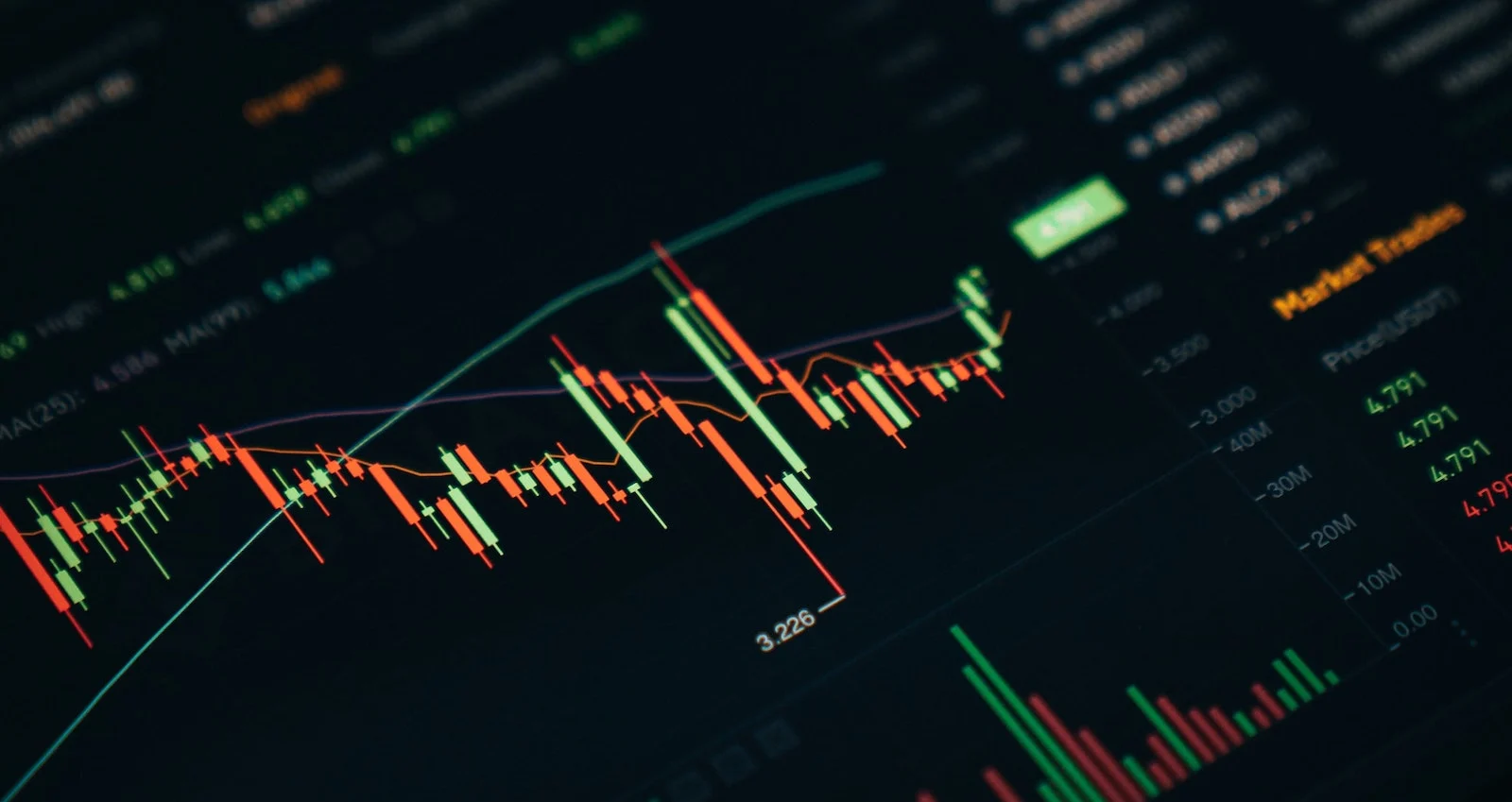
Unpacking the Ethical Dimensions of Speculation
The fast-paced environment of stock markets presents us with thrilling opportunities, yet it also challenges our ethical frameworks. Each trade we make can resonate far beyond our individual financial standing, touching the lives of countless individuals and communities. As we navigate this complex landscape, it becomes crucial to consider the ethical implications of our financial actions and how they ripple through society.
Every day, countless investors flock to the stock market, lured by the promise of quick gains. For many, engaging in speculation means attempting to outsmart the market, often driven by the thrill of potentially profitable trades. However, this reactive approach prompts serious ethical dilemmas that demand our attention:
- Market manipulation: When speculation transcends prudent investment practices, it can distort the true value of stocks. Cases of “pump and dump” schemes reveal how unethical behavior can artificially inflate stock prices, leading to unwarranted losses for innocuous investors. These manipulations not only jeopardize financial integrity but also erode trust among market participants.
- Short-sighted gains: The desire for immediate profits often results in neglecting long-term consequences. For instance, investors focusing solely on quarterly earnings can overlook the broader ramifications of corporate practices on the environment, employee welfare, and community health. This narrow vision risks sacrificing sustainable practices in favor of quick financial wins, ultimately harming both the companies and the communities they inhabit.
- Social responsibility: Investment decisions have profound implications on society. Ignoring the social aspects of corporate actions can be devastating. For example, investing in firms that practice tax evasion or contribute to environmental degradation can erode the social fabric and harm vulnerable populations, leading to unrest and a decline in overall community well-being.
In light of these concerns, the allure of stock market speculation becomes a complex issue, intertwined with our shared responsibility as investors. To navigate this labyrinth with integrity, it is imperative to pause and consider the consequences of our investments and how they align with our values. Are we supporting corporations that reflect our ideals of justice, equality, and sustainability?
Consciously answering these questions enables us to foster an investment culture steeped in ethical considerations, striking a balance between financial aspiration and civic duty. By critically engaging with the ethics of speculation, we can nurture a financial environment that prioritizes not just personal gain but the collective good.
Join us as we dive deeper into the nuances of speculation and its pervasive impact on American society. Together, we can cultivate a mindset that empowers informed and responsible financial actions, ultimately leading to a brighter, more sustainable future for all.
CHECK OUT: Click here to explore more
Reexamining Investor Motivation: Beyond Financial Gains
In the realm of stock market speculation, the motivations driving investors often operate on a spectrum that ranges from sound financial reasoning to sheer impulse. While the immediate allure of **quick financial rewards** can be intoxicating, a closer examination reveals that such motivations may be rooted in deeper, more complex psychological and cultural factors. By understanding these underlying elements, we can begin to reshape our approach to investing and align it with more ethical considerations.
At its core, speculation is about **risk-taking**, a concept that is deeply embedded in the American ethos. From the pioneering spirit of early settlers to the entrepreneurs of Silicon Valley, the portrayal of risk as an avenue for success has saturated our culture. However, this mindset can lead to a **disconnection from the broader implications** of our financial activities. As investors, we must ask ourselves: Are we merely participating in a game, or are we creating tangible outcomes that affect lives beyond our own?
To underscore this point, we can identify several motivations that underlie speculative practices:
- Fear of Missing Out (FOMO): The frenetic pace of social media and news cycles often amplifies the fears of missing investment opportunities, causing individuals to act impulsively rather than thoughtfully. This frenzy can lead not only to personal financial ruin but also to the destabilization of entire sectors.
- The Illusion of Control: Many investors believe they can outsmart the market, relying on dubious strategies or tips from self-proclaimed experts. This overconfidence can cloud judgment and lead to decisions that harm both individual portfolios and the market as a whole.
- Gamification of Investing: The rise of trading apps has turned investing into a game-like experience, encouraging a culture of speculation that favors short-term wins over thoughtful engagement. This shift may further disconnect individuals from the societal implications of their trading choices.
In juxtaposing these motivations with the very real consequences of speculation, we are prompted to reflect on our responsibilities as investors. The notion that **investing is not merely a transactional activity** but a pivotal societal choice must be at the forefront of our consciousness. Each trade, every buy or sell order, influences not only the financial landscape but also the lives of workers, communities, and stakeholders around the globe.
As we embark on a journey to cultivate a financially literate society, we can equip ourselves with the tools to make impactful decisions rooted in **ethical considerations**. By shifting our focus from impulse-driven strategies to deliberate and informed choices, we pave the way for an investment culture that uplifts communities and promotes sustainable practices. Ultimately, it is this mindful approach that can transform speculation from a mere gamble into a powerful agent for social good.
CHECK OUT: Click here to explore more
Investing with Intention: The Shift Toward Ethical Speculation
As we navigate the turbulent waters of stock market speculation, it is essential to explore the possibility of a renewed investment ethos—one that embraces ethical considerations and promotes social responsibility. This shift calls for a fundamental change in how we perceive and participate in investing, moving away from the impulse-driven frenzy toward a more intentional and reflective practice.
One compelling avenue to achieve this is through impact investing. This form of investment prioritizes financial returns alongside measurable social and environmental benefits. By channeling funds into companies and initiatives that align with personal values—such as renewable energy, education, and healthcare—investors can create a positive ripple effect that extends well beyond their portfolios. For instance, the rise of green bonds and funds is reflective of a growing consciousness among investors who seek to make a difference while achieving financial viability.
Moreover, the concept of corporate social responsibility (CSR) is rapidly reshaping the landscape of investing. With increasing public scrutiny, companies are more frequently held accountable for their societal impacts. Investors can take advantage of this momentum by supporting firms that prioritize ethical practices, transparency, and sustainability. For example, socially responsible investment (SRI) funds allow investors to strategically opt-out of companies with poor environmental records or exploitative labor practices. This not only offers the potential for financial returns but also ensures that capital is utilized in ways that promote a healthier society.
In addition to individual choices, there is a greater need for financial education that empowers investors to engage with the stock market thoughtfully. By fostering a culture of informed decision-making, we can mitigate the impulse-driven behaviors that often lead to harmful consequences. Educational initiatives—ranging from community workshops to innovative online platforms—can serve to demystify the complexities of investing and highlight the long-term benefits of planning and strategy over speculative gambles.
The role of investor advocacy cannot be overstated in this cultural shift. By collectively voicing our demands for ethical practices, we can affect change at industry levels. Organizations that promote shareholder advocacy are crucial in confronting corporate missteps and agitating for more equitable practices. As funds are increasingly directed toward responsible investment avenues, the market responds, reinforcing the imperative that ethical considerations are just as vital as profit margins.
Ultimately, adopting a more ethical approach to speculation positions us not only as *investors* but as *stewards of capital* entrusted with the responsibility of shaping the future. By redefining our role in the market, we can align our financial pursuits with broader societal goals, engendering trust in our systems and promoting the long-term health of our communities. Now more than ever, the call for deliberate, intentional investing speaks to our collective potential to create an economic environment that supports not only individual prosperity but also the welfare of generations to come.
CHECK OUT: Click here to explore more
Reimagining Our Financial Future
In conclusion, the ethical landscape of stock market speculation beckons us to reevaluate our roles as investors in a society that craves change. The impact of our financial decisions extends far beyond personal profit; it shapes not only our economic structures but also the societal norms and values we uphold. By embracing ethical principles within our investment practices, we can transcend the conventional boundaries of speculation and foster a culture of responsibility and sustainability.
The combined forces of impact investing, corporate social responsibility, and enhanced financial education create a powerful framework that empowers us to make more conscious choices. These avenues not only ensure that our investments align with our values but also inspire a movement where profits can go hand in hand with positive social and environmental outcomes. As investors become stewards of capital, the weight of our choices will resonate on a larger scale, demonstrating that ethical considerations are integral to the fabric of our economy.
Real change begins with us. By advocating for transparency and holding corporations accountable through collaborative efforts, we can catalyze a shift in how businesses operate in relation to society. Every decision we make today impacts the future we create for ourselves and the generations to come. Let us embrace the call for responsible speculation, inspiring a new era of investing that not only enriches our portfolios but also nurtures a healthier planet and a just society. Together, we have the power to shape a financial landscape that reflects our most profound values, ultimately leading us toward a more equitable tomorrow.

Beatriz Johnson is a seasoned financial analyst and writer with a passion for simplifying the complexities of economics and finance. With over a decade of experience in the industry, she specializes in topics like personal finance, investment strategies, and global economic trends. Through her work on BSB Empregos, Beatriz empowers readers to make informed financial decisions and stay ahead in the ever-changing economic landscape.