The Evolution of Personal Finance: Lessons Learned
Introduction to Personal Finance Evolution
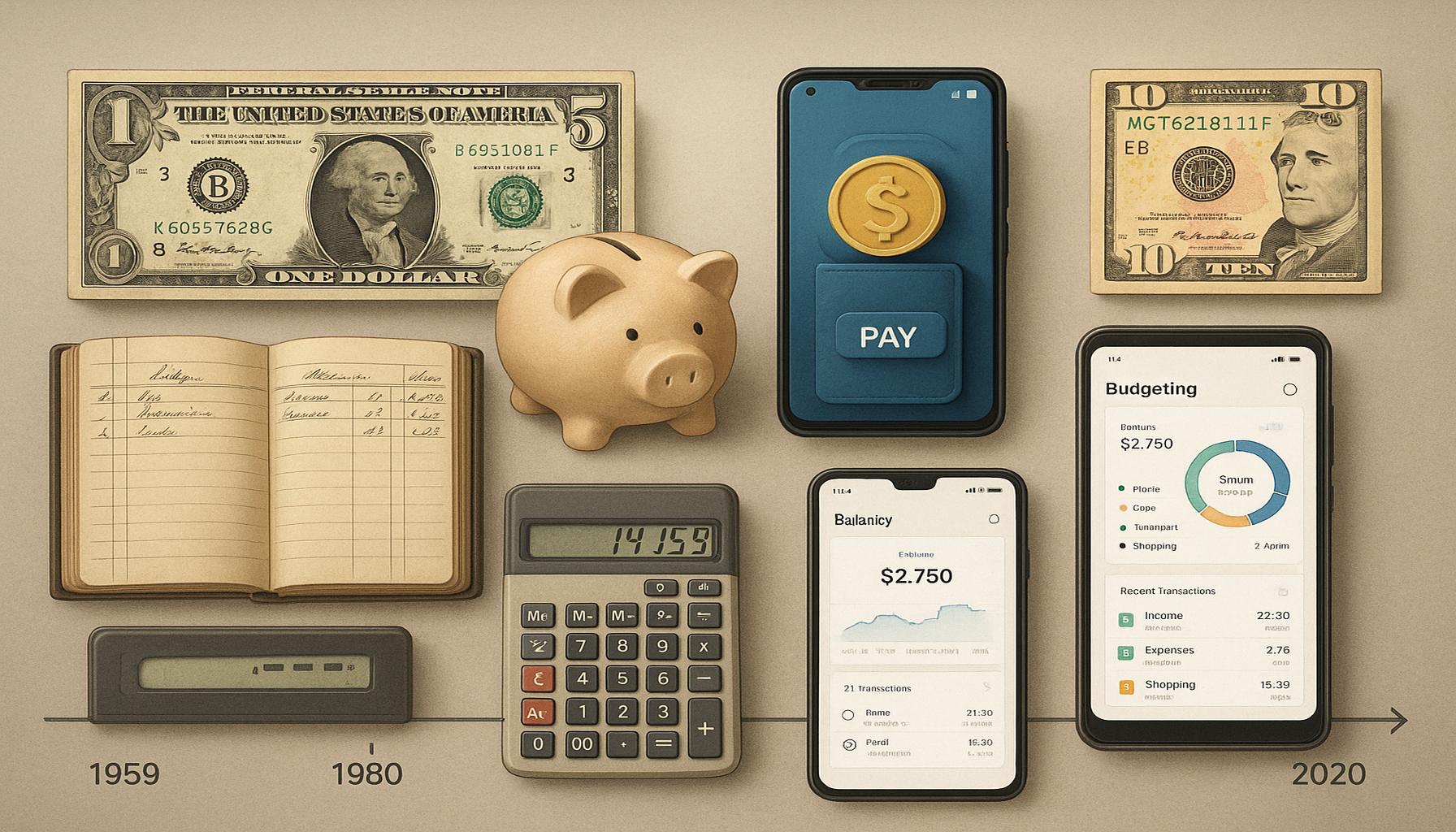
Since 1959, personal finance has undergone significant transformations, adapting to economic, technological, and sociocultural changes. Understanding this evolution is crucial for making informed financial decisions today.
Key developments that shaped personal finance include:
- The rise of consumer credit: The introduction of credit cards revolutionized the way Americans manage purchases. For example, the first general-purpose credit card, introduced by Diners Club in 1950 and later popularized by Visa and MasterCard, allowed consumers to buy goods and services without cash upfront. This shift led to increased consumer spending and, consequently, greater economic growth. However, it also introduced challenges such as debt accumulation and increased interest payments, making it essential for consumers to develop effective budgeting strategies to manage their finances responsibly.
- The introduction of 401(k) plans: Enacted in the Employee Retirement Income Security Act of 1974, 401(k) plans have encouraged individuals to save for retirement independently. These employer-sponsored retirement savings accounts allow employees to contribute a portion of their salary pretax, providing immediate tax benefits and compounding growth over time. As a result, there has been a shift in responsibility from employers toward individuals. This necessitates greater financial literacy among workers to help them understand contribution limits and investment options to ensure a secure retirement.
- The internet revolution: The growth of the internet has transformed access to financial products and services significantly. Online banking, budgeting apps, and investment platforms such as Robinhood have democratized financial management. Individuals can now monitor their spending, automate savings, and invest with a few clicks, making it easier to access tools that were once only available to wealthier individuals. This accessibility means that everyone has the opportunity to take control of their finances, but it also requires a savvy understanding of digital security and the importance of vetting platforms before using them.
The lessons learned from these changes highlight important principles:
- Budgeting is essential: Creating a budget helps maintain a clear picture of income versus expenses, enabling better financial choices. Start by listing all income sources and expenses, then categorize them into fixed and variable costs. Adjust as necessary to avoid overspending.
- Invest early: Begin investing as soon as possible to take full advantage of compound interest. Even small contributions to retirement accounts can grow significantly over time. A practical tip is to automate contributions to ensure consistency.
- Continual education: Stay informed about financial products and market trends. Take advantage of free resources, such as financial blogs, podcasts, and online courses, which can provide valuable insights and strategies for wealth management.
Embracing these lessons will better equip individuals to navigate the complexities of modern personal finance. By consistently applying these principles, individuals can build a robust financial future and overcome common financial challenges effectively.
DISCOVER MORE: Click here for a step-by-step guide on applying for an Oportun loan easily
Key Factors Shaping Personal Finance
The evolution of personal finance since 1959 can be traced through several key factors that have significantly impacted how individuals manage their money. These factors not only illustrate changes in financial practices but also offer essential insights for today’s consumers seeking to navigate their financial landscapes efficiently.
The Expansion of Financial Products
Beginning in the late 20th century, there was a marked expansion in the variety of financial products available to consumers. From mutual funds to stocks, and bonds to exchange-traded funds (ETFs), the investment landscape has diversified considerably. To take full advantage of this variety, individuals should follow these steps:
- Research Financial Products: Familiarize yourself with different types of financial products. Understanding their associated risks and returns will empower you to make informed choices.
- Diversify Your Portfolio: To minimize risk, invest in a mix of asset classes. Think about how to balance stocks, bonds, and other investments based on your risk tolerance and financial goals.
- Review Regularly: Regularly assess your investment portfolio. Rebalancing helps ensure that your investments align with your goals and risk profile over time.
The Importance of Credit Literacy
The availability of credit has become ubiquitous since the introduction of credit cards, leading to one of the most significant lessons in personal finance: understanding credit. Here’s how to manage and utilize credit responsibly:
- Check Your Credit Score: Regularly monitor your credit score, as it impacts your ability to secure loans and mortgage rates. Use free services available through various platforms to track your score.
- Use Credit Wisely: Avoid maxing out your credit limit, as a high credit utilization ratio can negatively affect your score. Keep your utilization under 30% for optimal health.
- Pay on Time: Make payments consistently and on time to avoid accruing penalty fees and interest. Set up automatic payments to ensure you never miss a due date.
Embracing Technology in Financial Management
Technological advancements have transformed how individuals manage their finances. The evolution from traditional banking to app-based services has opened doors for many consumers. To leverage these technological tools effectively, consider the following:
- Utilize Budgeting Apps: Download and use budgeting apps to track spending and categorize expenses. This can simplify the budgeting process and highlight areas where you can cut costs.
- Explore Investment Platforms: Take advantage of robo-advisors and investment apps for straightforward investing. These platforms often offer low fees and user-friendly interfaces.
- Stay Secure Online: Protect your financial data by using secure connections and strong passwords. Be cautious of phishing scams and always verify website legitimacy before entering personal information.
By understanding these key factors surrounding personal finance, consumers can not only enhance their financial literacy but also implement effective strategies to improve their financial stability, planning, and growth for the future.
DISCOVER MORE: Click here to learn about the best ways to save for retirement
Changing Attitudes Toward Savings and Debt
In the past few decades, attitudes toward savings and debt have undergone significant transformations. The lessons learned in this area highlight critical strategies that can bolster financial health and security.
The Shift in Savings Culture
Historically, American culture emphasized saving as a virtue. However, trends since the 1980s have shown a decline in personal savings rates. To cultivate a healthy savings habit today, consider the following:
- Establish an Emergency Fund: Aim to save at least three to six months’ worth of living expenses. This fund is crucial for unexpected expenses, such as medical emergencies or job loss.
- Automate Your Savings: Set up an automatic transfer from your checking account to your savings account each month. This will ensure consistency in saving without the temptation to spend the money instead.
- Set Specific Goals: Define what you are saving for, whether it’s a new car, a home, or retirement. Specific goals can provide motivation and clarity when it comes to saving.
Understanding the Cost of Debt
The accessibility of credit has led many to accumulate debt without fully understanding its implications. As a result, learning to manage debt effectively is vital. Here’s how to address debt strategically:
- Prioritize High-Interest Debt: Focus on paying off high-interest debts first, such as credit cards. Consider using the avalanche method—where you pay the minimum on all debts while targeting the one with the highest interest rate.
- Create a Repayment Plan: Develop a realistic repayment plan that outlines how much you can afford to pay each month towards debt. Stick to this plan diligently to reduce your financial burden.
- Avoid Taking on New Debt: Limit new credit purchases while paying off existing debt. This approach will help prevent your debt from growing and ensure a focus on achieving financial stability.
The Rise of Financial Education and Resources
The accessibility of information has expanded tremendously, providing individuals with a wealth of financial resources. Here are some actionable ways to leverage financial education:
- Attend Workshops and Seminars: Participate in local workshops or webinars focused on personal finance. These can provide invaluable insights and connect you with financial professionals.
- Utilize Online Resources: Explore websites, blogs, and podcasts dedicated to personal finance. Platforms such as Khan Academy and NPR’s “Planet Money” offer informative content that is easy to understand.
- Consult a Financial Advisor: If your financial situation is complex, consider working with a financial advisor who can provide personalized strategies to meet your financial goals.
By adopting these practices and reshaping attitudes toward savings and debt, individuals can significantly improve their financial well-being. Understanding and applying these lessons from the evolution of personal finance allows consumers to craft a stable financial future and achieve their long-term goals.
DISCOVER MORE: Click here to learn about the future of privacy
Conclusion
The evolution of personal finance since 1959 highlights the importance of adapting to changing economic landscapes and shifting priorities. One significant takeaway is the necessity of proactive savings habits, which can safeguard against financial uncertainties. To build a solid financial foundation, here are some actionable steps to consider:
- Establish an emergency fund: Aim for three to six months’ worth of living expenses. Start small by saving a percentage of each paycheck until you reach your goal.
- Automate savings: Set up automatic transfers from your checking to your savings account. This method ensures that you pay yourself first each month.
- Set clear financial goals: Define short-term and long-term objectives, such as saving for a vacation or retirement. Write them down and track your progress regularly.
Moreover, understanding how to effectively manage debt is essential in a world where credit is readily available. Take these steps to regain control over your financial situation:
- Prioritize high-interest debts: Focus on paying off debts with the highest interest rates first, as they cost you more over time.
- Create sustainable repayment plans: Use the snowball or avalanche method to systematically pay down debt based on your financial situation.
- Avoid new debt: Limit new credit card purchases until your existing debt is manageable and always consider your budget before making any new financial commitments.
Fortunately, the accessibility of information has transformed financial education, making it easier than ever to gain valuable insights. Take advantage of resources like:
- Workshops: Attend local or online sessions to learn more about budgeting, investing, or retirement planning.
- Online platforms: Utilize budgeting apps and finance websites to track your expenses and savings effectively.
- Professional advisors: Consider consulting a financial advisor for personalized advice and strategies tailored to your specific situation.
As you navigate your financial journey, keep these lessons at the forefront of your strategy. By actively applying these principles, anyone can take charge of their financial health, paving the way to achieving long-term aspirations. Remember, a secure financial future is achievable; it starts with the right mindset and decisive actions today.

Beatriz Johnson is a seasoned financial analyst and writer with a passion for simplifying the complexities of economics and finance. With over a decade of experience in the industry, she specializes in topics like personal finance, investment strategies, and global economic trends. Through her work on BSB Empregos, Beatriz empowers readers to make informed financial decisions and stay ahead in the ever-changing economic landscape.