

The Importance of Cultural Competence in Information Sharing
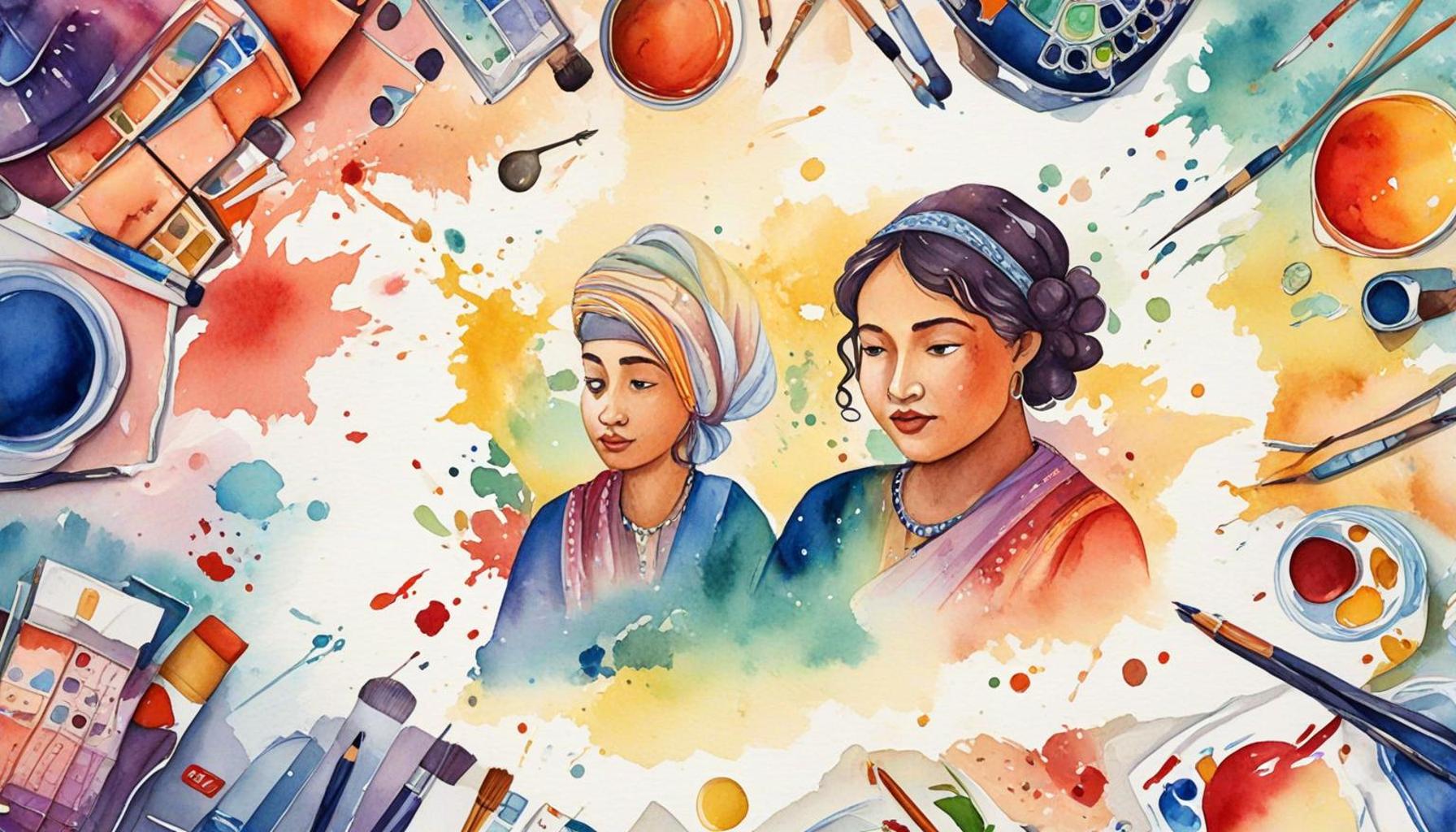
The Significance of Cultural Awareness
In a world that thrives on information exchange, understanding cultural competence has never been more vital. It fosters meaningful connections and enhances communication across diverse communities. By acknowledging various cultural perspectives, we can create an environment that respects differences and promotes inclusivity.
Cultural competence goes beyond mere sensitivity; it’s about actively engaging with and learning from the experiences of others. For instance, consider a workplace with employees from various ethnic backgrounds. When team members acknowledge each other’s cultural holidays, such as Diwali, Hanukkah, or Juneteenth, it fosters a sense of belonging and unity, paving the way for collaboration. This active appreciation can lead to more innovative ideas and a stronger, more connected team.
Consider these aspects of cultural competence:
- Empathy: Recognizing the emotional undercurrents that influence how people receive information. By trying to understand how someone from a different background might perceive words or actions, we can prevent misunderstandings and create a safe space for dialogue.
- Awareness: Being mindful of your own cultural biases and their impacts on communication. Self-reflection allows individuals to recognize their preconceived notions and adjust their behavior to ensure it is respectful and considerate.
- Adaptability: Tailoring information delivery to meet the unique needs of various cultural groups. This could mean modifying your communication style when addressing different audiences, thereby ensuring that your message resonates effectively.
The benefits of integrating cultural competence into information sharing are profound. It allows for:
- Stronger Relationships: Building trust and rapport among diverse populations. When individuals feel understood and valued, they are more likely to engage openly, leading to deeper connections.
- Effective Communication: Ensuring messages resonate and are understood universally. For example, utilizing culturally relevant examples or avoiding jargon can bridge gaps and enhance understanding.
- Enhanced Problem-Solving: Combining varied perspectives for innovative solutions. Diverse viewpoints can foster creativity and lead to out-of-the-box thinking, which is crucial in many fields, including business and education.
Moreover, in a nation as diverse as the United States, embracing cultural competence is essential for creating a sense of belonging. It cultivates environments where everyone feels valued and heard. Schools, workplaces, and community organizations that prioritize cultural awareness attract a wider range of ideas and talents. This not only enriches the experience for everyone involved but also drives progress and improvement across the board.
When we engage in responsible information sharing, we empower communities and inspire positive change. By taking active steps towards becoming culturally competent, we not only enhance our personal growth but also contribute to a more inclusive society that honors the rich tapestry of human experience, ensuring that every voice is heard and valued.
CHECK OUT: Click here to explore more
Fostering Connection Through Understanding
Cultural competence enriches the landscape of information sharing by creating pathways for authentic connection. In an increasingly globalized world, where cultures converge and intertwine, the ability to communicate effectively across cultural lines is essential. This involves not just sharing information but also understanding the context in which that information is received. As we navigate this interconnected world, we must remind ourselves that every piece of information is colored by the cultural background of both the sender and the receiver.
One foundational aspect of cultural competence is effective listening. Listening goes beyond hearing words; it entails understanding the emotions and intentions behind them. This means being fully present during conversations and showing genuine interest in the perspectives and experiences of others. When we practice effective listening, we not only capture the nuances of different viewpoints but also affirm the individuality of those sharing their stories. For instance, in a diverse work environment, taking the time to listen to a colleague share their unique approach to problem-solving, influenced by their cultural background, can open the door to collaborative innovation.
Additionally, knowledge of cultural practices is crucial. Understanding different cultural backgrounds equips us with the tools needed to navigate various traditions and norms effectively. This knowledge can take many forms, such as learning about cultural holidays, understanding communication styles, or recognizing important cultural symbols. A practical application of this could be in educational settings, where teachers who incorporate lessons about different cultures engage students more effectively. For example, discussing the significance of Hispanic Heritage Month or Native American Heritage Month not only broadens students’ perspectives but also fosters respect and appreciation for diversity.
Moreover, embracing cultural competence can lead to the following advantages:
- Improved Collaboration: When cultural dimensions are acknowledged, teamwork flourishes. Diverse groups that understand one another’s cultural viewpoints can collaborate more effectively and validate each other’s contributions, resulting in innovative outcomes.
- Increased Engagement: Engaging communities with cultural relevance boosts participation. Information shared in a culturally aware manner resonates more powerfully, encouraging individuals to contribute to discussions and initiatives.
- Broadened Perspectives: Engaging with different cultures sparks new ways of thinking. Exposure to a variety of viewpoints encourages critical thinking and adaptability, traits that are essential in our rapidly changing world.
As we delve deeper into the significance of cultural competence, it becomes clear that the rewards extend far beyond just effective communication; they shape the very fabric of our relationships. When individuals from diverse backgrounds come together and share their experiences, we create a community that values authenticity and innovation. By prioritizing cultural awareness in information sharing, we not only cultivate personal growth but also contribute to a collective strength that reflects the true diversity of our society.
CHECK OUT: Click here to explore more
Enhancing Communication Through Empathy
At the heart of cultural competence lies the transformative power of empathy. Empathy is not merely a passive feeling but an active engagement that requires us to put ourselves in someone else’s shoes. When we approach information sharing with empathy, we acknowledge the different lived experiences that shape perceptions and communication styles. This understanding encourages patience and openness, allowing for richer dialogues that honor the diversity of each participant’s background.
Moreover, acknowledging differences in communication styles is vital. For instance, in certain cultures, direct communication is valued, while in others, indirect communication is preferred. Recognizing these distinctions can significantly reduce misinterpretations and foster more supportive relationships. In a workplace context, teams that engage in conversations about their communication preferences are more likely to minimize conflicts and increase trust. The simple act of asking colleagues how they prefer to communicate, whether through emails, in-person meetings, or casual check-ins, can establish a nurturing environment ripe for innovation and collaboration.
Additionally, adapting information to be culturally sensitive is crucial in improving clarity and receptiveness. The effectiveness of shared information diminishes if it is not tailored to consider cultural backgrounds. For example, in healthcare settings, practitioners who offer culturally competent care—by using language that resonates with patients’ cultural norms—enhance patients’ understanding and adherence to treatment plans. A study published in the American Journal of Public Health indicates that culturally appropriate health communication reduces barriers and improves health outcomes, proving that tailored information sharing has far-reaching effects.
Another important element of cultural competence is being aware of power dynamics. Within any group, disparities in power can influence whose voices are heard and whose experiences are valued. It is essential to create an inclusive environment where everyone feels safe to share their perspectives without fear of alienation or judgment. Organizations committed to cultural competence can implement policies that promote equity. For example, allowing for anonymous feedback forums can empower individuals who might hesitate to voice their concerns in a traditional meeting setting, leading to a more diverse range of ideas and solutions.
As we embrace the principles of cultural competence, we also harness the power of storytelling. Sharing personal narratives serves as a bridge that connects individuals from different backgrounds. When we share our stories, we plant seeds of understanding and empathy. Companies that invest in diversity training often use storytelling as a tactic to humanize cultural experiences, enabling employees to appreciate their colleagues’ unique journeys. This practice not only lays the groundwork for greater unity but also inspires action towards fostering an inclusive atmosphere.
Through effective use of empathy, understanding communication styles, tailoring information, addressing power dynamics, and leveraging storytelling, we create a space where everyone feels valued and heard. By approaching information sharing with cultural competence, we can break down barriers and build bridges that lead to deeper understanding and collaboration among individuals from varied backgrounds. Such initiatives are not just beneficial; they are essential for cultivating a society that thrives on connection, respect, and innovation.
CHECK OUT: Click here to explore more
Conclusion
In our increasingly interconnected world, the significance of cultural competence in information sharing cannot be overstated. As we have explored, embracing this competency paves the way for meaningful dialogues that reflect sensitivity to diverse perspectives and experiences. By fostering an atmosphere where empathy thrives, we equip ourselves with the tools to navigate the complexities of communication in multicultural environments. Understanding communication styles, tailoring messages to be culturally relevant, and listening actively can enhance our connections both personally and professionally.
Moreover, acknowledging the impact of power dynamics allows us to elevate the voices of all individuals, creating a more inclusive platform for dialogue. This practice not only enriches our understanding but also drives innovation through collective input. Additionally, the heartfelt act of storytelling serves as a beacon that illuminates the unique paths that bring us together, helping to dismantle barriers created by misunderstanding or ignorance.
As we commit to cultivating cultural competence in our information exchanges, we foster an environment where everyone feels empowered and respected. This shift is essential not only for our workplaces but for society at large. By acknowledging and celebrating our differences, we create stronger connections that enhance collaboration and innovation. Let us embark on this journey with intention, striving to build bridges of understanding that will ultimately lead to a more harmonious and productive world. Together, we can ensure that information sharing is not just an act of communication but a powerful tool for connection and respect amongst diverse communities.

Beatriz
Beatriz Johnson is a seasoned financial analyst and writer with a passion for simplifying the complexities of economics and finance. With over a decade of experience in the industry, she specializes in topics like personal finance, investment strategies, and global economic trends. Through her work on BSB Empregos, Beatriz empowers readers to make informed financial decisions and stay ahead in the ever-changing economic landscape.

