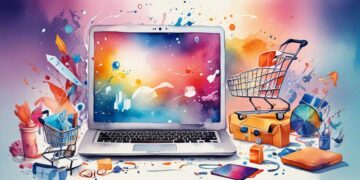
Trends in Technology to Drive Innovation in the Retail Sector

Understanding the Impact of Technology on Retail
In an era where consumer preferences are rapidly evolving, retailers are increasingly turning to innovative technologies to stay ahead. The integration of technology into retail not only facilitates a seamless shopping experience but also catapults businesses into greater operational efficiency. For retailers wishing to thrive, comprehending these emerging trends is essential.
E-commerce Growth
The rise of e-commerce has been one of the most significant transformations in the retail landscape. With the convenience of shopping from anywhere and at any time, consumers have gravitated towards online platforms. According to a report, e-commerce sales in the United States reached over $800 billion in 2021 alone, showcasing an incredible shift in purchasing habits. Retailers are now investing heavily in their online infrastructures, utilizing advanced web technologies and user-friendly interfaces to create intuitive shopping experiences. For example, brands like Amazon and Walmart have fine-tuned their websites to not only enhance speed but to also include personalized recommendations based on past purchases.
Artificial Intelligence
Artificial Intelligence (AI) is another pivotal trend that is personalizing retail experiences. Through machine learning algorithms, retailers can analyze vast amounts of customer data to predict shopping behaviors and tailor recommendations. For instance, Netflix and Spotify are prime examples of platforms that employ AI to suggest content, thereby increasing user engagement. Similarly, retailers like Stitch Fix leverage AI to curate personalized clothing selections for customers, which enhances customer satisfaction while promoting sales.
Augmented Reality
Augmented Reality (AR) is revolutionizing product interactions by allowing customers to visualize items in their own environment before making a purchase. Brands like IKEA have developed apps that let users place virtual furniture in their homes, providing a sense of reality that traditional images cannot match. The success of these applications illustrates how AR can decrease return rates while enhancing customer confidence in their purchases.
Mobile Pay Solutions
As mobile technology continues to advance, mobile payment solutions are becoming indispensable. Payment methods like Apple Pay and Google Wallet enable customers to make transactions quickly and securely using their smartphones. This convenience not only improves the shopping experience but also reduces wait times at checkout, which is particularly beneficial during busy shopping periods like the holidays.
Supply Chain Innovation
Innovations in the supply chain are also crucial for improving operational efficiency. Technologies like blockchain and IoT (Internet of Things) facilitate better inventory management and logistics, ensuring that products are delivered more reliably and promptly. Retail giants like Target are employing sophisticated analytic tools to forecast demand and optimize restocking processes, which ultimately leads to better product availability for consumers.
By adapting to these technological advancements, retailers not only meet the rising expectations of their customers but also gain a competitive edge in a crowded marketplace. The marriage of technology and retail is not just a passing trend; it represents a fundamental shift toward a more dynamic and efficient shopping environment. As we progress further into this technological age, understanding these innovations will be vital for any business aiming to flourish.
CHECK OUT: Click here to explore more
Innovative Technologies Shaping Retail
The landscape of retail is continually evolving, greatly influenced by technological advancements that reshape every facet of the industry. As consumers demand more convenience and personalization, retailers must adapt and innovate. Below, we explore the technological trends that are not only transforming the shopping experience but also driving innovative practices in the retail sector.
Omnichannel Retailing
Omnichannel retailing is an approach that integrates various shopping channels—such as online, mobile, and physical stores—into a cohesive experience for customers. This seamless interaction enables shoppers to move effortlessly between platforms. For instance, a customer may research a product on a brand’s website, purchase it on their smartphone, and choose to pick it up at a local store. Retailers like Nordstrom have embraced this model, allowing customers to experience a fluid shopping journey that enhances satisfaction and loyalty.
Data Analytics and Customer Insights
Data analytics is being utilized to gain a deeper understanding of customer behaviors, preferences, and trends. Retailers are leveraging big data to analyze purchasing patterns, enabling them to make informed decisions regarding inventory, marketing strategies, and product offerings. For example, companies such as Target utilize customer purchase data to tailor promotions that resonate with their audience, ultimately driving sales. The insights collected can help retailers craft targeted marketing campaigns, improving customer engagement and boosting overall profitability.
Contactless Shopping Experiences
The pandemic accelerated the adoption of contactless shopping experiences. Solutions like self-checkout kiosks, scan-and-go apps, and mobile wallets allow customers to minimize physical contact while shopping. With companies such as Amazon Go pioneering this trend, customers can enter the store, grab items, and simply walk out without waiting in line to pay. This frictionless checkout process not only promotes safety but also significantly enhances the shopping experience by saving time.
Social Commerce
Social commerce blends social media and e-commerce, allowing customers to shop directly within social platforms. Retailers have recognized the potential of platforms like Instagram, Facebook, and TikTok as dynamic sales channels. For instance, brands like Glossier have built strong community engagement by promoting their products through influencers and user-generated content. This approach creates a sense of authenticity and trust, encouraging consumers to make purchases directly via these social platforms.
Personalization and Customer Engagement
Personalization in retail is no longer a novelty; it is an expectation. Retailers are using customer engagement technologies such as chatbots, personalized email marketing, and AI-driven recommendation systems to create tailored shopping experiences. By understanding individual preferences, businesses can offer relevant products and suggestions. For instance, e-commerce platforms like Zappos utilize personalization algorithms that suggest shoes based on previous purchases, significantly improving customer satisfaction rates.
Overall, these technological trends not only enhance the shopping experience but also improve operational efficiency, creating new opportunities for growth in the retail sector. As retailers continue to adapt to the digital landscape, staying informed about these innovations will be vital for their long-term success. The future of retail is bright, especially for those willing to embrace these transformative technologies and integrate them into their business strategies.
SEE ALSO: Click here to read another article
Emerging Technologies Enhancing Retail Innovation
The retail sector is witnessing groundbreaking innovations driven by emerging technologies that engage customers and streamline processes. The ability to integrate these technologies into the retail experience is essential for businesses aiming to remain competitive. In this section, we delve into several key technologies that are reshaping the retail environment.
Augmented Reality and Virtual Reality
Augmented Reality (AR) and Virtual Reality (VR) are revolutionizing the way consumers interact with products before making a purchase. AR applications enable customers to visualize how items, such as furniture or clothing, will appear in their homes or on their bodies. Retailers like IKEA have developed AR apps that allow users to place virtual furniture in their own spaces, enhancing the decision-making process. On the other hand, VR offers immersive shopping experiences where consumers can browse virtual stores from the comfort of their homes, as seen in the initiatives by brands like Lowe’s, which have created virtual showrooms that allow users to explore products interactively.
Artificial Intelligence in Inventory Management
Artificial Intelligence (AI) is transforming inventory management by predicting demand trends and optimizing stock levels. By analyzing historical data and external factors, such as seasonal changes and economic conditions, AI algorithms can help retailers make data-driven decisions about what products to stock and when. For example, Walmart employs AI technology to manage inventory across its vast supply chain, ensuring that shelves remain stocked while minimizing excess inventory. This leads to increased operational efficiency and reduced costs, directly impacting the bottom line.
Blockchain for Transparency and Security
Blockchain technology offers a solution for enhancing transparency and security within the retail supply chain. By providing a decentralized record of transactions, blockchain enables retailers to trace the origin of products and verify their authenticity, which is particularly essential for high-value items such as luxury goods. Brands like Everledger are utilizing blockchain to combat counterfeiting by creating immutable records of each product’s journey. This transparency builds consumer trust and encourages more ethical shopping practices.
Voice Commerce
Voice commerce, driven by smart speakers and voice-activated assistants like Amazon Alexa and Google Assistant, is rapidly gaining traction. This technology allows customers to make purchases through voice commands, simplifying the shopping process. Retailers such as Walmart have embraced voice-enabled shopping, providing customers with a convenient way to add items to their shopping carts just by speaking. As voice technology continues to advance, retailers should explore this channel to engage a broader audience, particularly tech-savvy consumers who favor hands-free solutions.
Robotics and Automation
The integration of robotics and automation in retail is streamlining operations and enhancing customer service. From robotic inventory management systems that monitor stock levels to automated checkout processes that reduce wait times, technology is driving efficiency. Amazon’s use of Kiva robots in their warehouses showcases the potential of automation in fulfilling orders more quickly and accurately. Furthermore, retailers are exploring the use of robots for customer interactions, like those deployed in customer service roles, helping guide shoppers and answer queries.
These emerging technologies not only enhance the consumer experience but also foster operational improvements that can significantly elevate a retailer’s position in the market. As the retail sector continues to evolve, embracing these innovations will be crucial for businesses aiming for growth and sustainability in a competitive landscape.
SEE ALSO: Click here to read another article
Conclusion
As we have explored, the retail sector is undergoing a profound transformation through the adoption of advanced technologies that not only enhance consumer engagement but also drive operational efficiency. The integration of Augmented Reality (AR) and Virtual Reality (VR) creates immersive shopping experiences that allow customers to visualize products in their own environments. This innovative approach fosters confidence in purchasing decisions, making shopping more interactive and enjoyable.
Artificial Intelligence (AI) further bolsters the sector by optimizing inventory management and predicting consumer demand, helping retailers minimize waste and maximize profits. Coupled with Blockchain technology, retailers can ensure product authenticity and enhance transparency in their supply chains, thereby building consumer trust—a critical component in today’s market.
Voice commerce is reshaping customer convenience as smart devices allow for effortless shopping experiences, while robotics and automation streamline store operations, reducing wait times and improving overall service quality. The successful integration of these technologies position retailers advantageously in an increasingly competitive landscape.
In conclusion, staying ahead in the retail industry will require businesses to embrace these technological advancements proactively. As consumers seek greater personalization and efficiency, retailers must not only adapt but also innovate continuously. By fostering a culture of experimentation and remaining open to new solutions, retailers can enhance their competitiveness and ultimately drive sustainable growth in this dynamic sector.
Linda Carter is a writer and financial expert specializing in personal finance and financial planning. With extensive experience helping individuals achieve financial stability and make informed decisions, Linda shares her knowledge on the BSB Empregos7 platform. Her goal is to empower readers with practical advice and strategies for financial success.